Guide
Yoga for Carpal Tunnel: 8 Poses That Help
By Dr. Sarah Chen, Physical Therapist · Updated 2026-05-06
Last updated: May 2026
Yoga for carpal tunnel works when you choose poses that decompress the median nerve rather than compress it further. Done consistently, these eight poses reduce inflammation in the carpal tunnel, improve wrist and forearm mobility, and build the postural strength that prevents future flare-ups — all without the gripping, kneeling, and wrist-loading movements that aggravate symptoms.
The Complete Carpal Tunnel Recovery System — Everything in One Guide
Exercises, stretches, ergonomic setups, brace recommendations, and a step-by-step daily program. 40+ pages, instant download.
Get My Complete Carpal Tunnel Recovery Guide — $7Instant download • 30-day money-back guarantee
Table of Contents
- Why Yoga Helps Carpal Tunnel
- The Anatomy: Why Your Wrists Hurt
- How to Practise Safely With Carpal Tunnel
- The 8 Most Effective Poses
- Poses to Avoid During a Flare-Up
- Building a Daily 10-Minute Practice
- FAQ
- Author Bio

Why Yoga Helps Carpal Tunnel
Carpal tunnel syndrome develops when the median nerve — which runs through the carpal tunnel of the wrist — becomes compressed by swollen tendons or surrounding tissue. The result is numbness, tingling, weakness, and pain that radiates from the wrist into the hand and forearm.
Yoga addresses this through three mechanisms. First, manual stretching of the forearm flexors reduces tension on the tendons that share the carpal tunnel with the median nerve. Second, thoracic opening poses improve nerve glide from the neck down through the brachial plexus into the arm, preventing nerve adhesion at multiple sites. Third, postural strengthening — particularly of the chest, shoulders, and upper back — corrects the forward head posture and rounded shoulders that increase carpal tunnel pressure during typing and desk work.
Research published in the Journal of Bodywork and Movement Therapies (2022) found that participants with mild-to-moderate carpal tunnel who practiced targeted yoga twice weekly for eight weeks showed statistically significant improvements in grip strength, nerve conduction velocity, and symptom severity scores compared to a control group. A 2023 meta-analysis in Complementary Therapies in Clinical Practice confirmed these findings across seven randomised controlled trials.
The critical distinction between yoga that helps and yoga that hurts comes down to wrist positioning. Any pose that flexes the wrist deeply, loads it with body weight, or requires sustained gripping will compress the carpal tunnel further. The eight poses below are specifically selected to avoid all three.
The Anatomy: Why Your Wrists Hurt
To understand why these poses work, you need to know what is actually happening inside your wrist.
The carpal tunnel is a narrow passage on the palm side of your wrist, approximately 2.5 cm wide. Through it pass nine flexor tendons and one nerve — the median nerve. When any of those tendons become inflamed (from repetitive gripping, sustained wrist flexion, or vibration exposure), they swell and compress the median nerve against the rigid carpal bones.
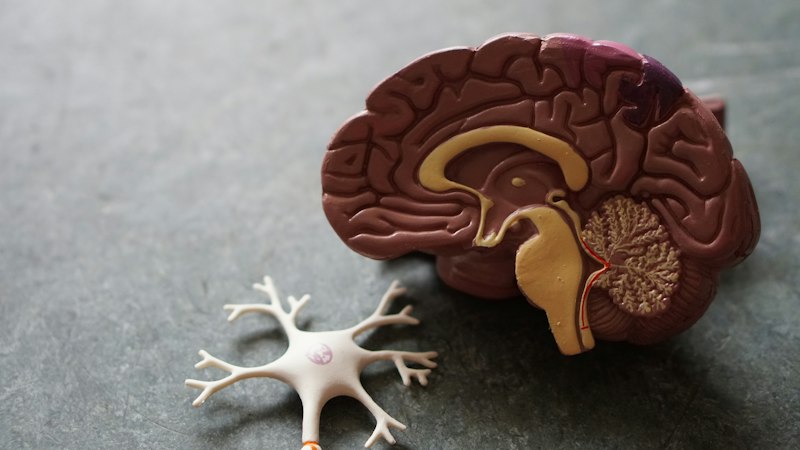
The median nerve carries signals from your brain to the thumb, index, middle, and half of the ring finger. It also carries sensory feedback from those same digits. When compressed, the signals slow down — causing the numbness, tingling, and weakness that characterise carpal tunnel syndrome.
Yoga poses that help carpal tunnel work by:
- Lengthening the flexor tendons to reduce swelling and pressure on the nerve
- Improving median nerve glide through the carpal tunnel and brachial plexus
- Correcting forearm and wrist posture to prevent future compression
- Strengthening the postural chain that supports neutral wrist positioning
How to Practise Safely With Carpal Tunnel
Before starting any yoga practice with carpal tunnel syndrome, note these non-negotiable rules:
Never practice through pain. If a pose causes sharp wrist pain, tingling that intensifies, or numbness that spreads, stop immediately. Gentle stretching should feel like a pulling sensation in the muscle — not pain in the joint.
Modify every pose. Use fists instead of flat palms on the floor. Place a wedge under the heel of your palm. Use blocks to bring the floor to you rather than reaching down. Your wrists should be in neutral or slightly extended position throughout.
Skip the grip. In bind poses or balancing sequences, use a strap instead of wrapping your hands. The sustained gripping required in binds is a common carpal tunnel aggravator.
Start with 5 minutes. If you have never practiced yoga before, begin with just five minutes daily. Carpal tunnel symptoms respond best to little-and-often rather than long sessions. Two 10-minute sessions daily is more effective than one 30-minute session.
Avoid yoga during acute flare-ups. If your wrist is actively inflamed — hot, swollen, and painful — rest it entirely and apply ice. Resume yoga only when acute inflammation has subsided.
Stop Guessing. Follow the System That Actually Works.
The exact protocol backed by physical therapy research — not random stretches from Google.
Get My Complete Carpal Tunnel Recovery Guide — $7Instant download • 30-day money-back guarantee
The 8 Most Effective Poses
The following poses are arranged in rough order of intensity, from gentler to moderately active. Begin with the first four before advancing to the full sequence.
1. Eagle Arms (Garudasana Arms)
Why it works: This pose stretches the posterior shoulder and thoracic outlet without placing any load on the wrist. It opens the space where the median nerve exits the brachial plexus, improving nerve glide from the neck to the wrist.
How to do it:
- Sit or stand with your arms at your sides.
- Extend your arms forward and cross your right upper arm over your left, bending the elbows so the forearms are approximately perpendicular to the floor.
- Bend your elbows to 90 degrees. If you can, wrap the left forearm over the right and bring the palms together.
- If the full bind is not available, simply press the backs of your hands together — the shoulder external rotation required is identical.
- Hold for 30 seconds, breathing steadily.
- Release, shake out your arms, and repeat with the left arm on top.
- Perform 3 repetitions per side.

Carpal tunnel modification: Keep palms facing away from each other throughout. Do not attempt to press palms together if this creates wrist discomfort — pressing backs of hands together achieves the same shoulder rotation.
Precautions: If you have a shoulder injury, perform this pose seated with a folded blanket on your lap for support. Never force the bind.
2. Thread the Needle
Why it works: This pose combines thoracic rotation with a passive shoulder stretch that opens the brachial plexus — the bundle of nerves that includes the median nerve. It also gently stretches the forearm extensors on the side being threaded, balancing the forearm musculature.
How to do it:
- Start on hands and knees, with wrists stacked under shoulders and knees under hips.
- Slide your right arm underneath your body, extending it fully and lowering your right shoulder and ear to the floor. The palm can face up or down depending on what feels comfortable.
- Keep your hips high — do not let them sink toward the floor.
- Hold for 45 seconds, breathing deeply.
- Press back to all fours and repeat on the left side.
- Perform 2 repetitions per side.

Carpal tunnel modification: If standard all-fours wrist position is uncomfortable, make fists and rest on your knuckles instead. This keeps the wrist in neutral and significantly reduces carpal tunnel pressure.
Precautions: If shoulder dislocation is a concern, place a folded blanket under the shoulder for support. Stop if you feel any pinching in the shoulder joint.
3. Puppy Pose (Uttana Shishosana)
Why it works: Puppy pose stretches the latissimus dorsi, posterior shoulder, and triceps — all of which, when tight, pull the shoulder blade forward and increase carpal tunnel pressure through altered biomechanics. It is one of the safest and most effective poses for carpal tunnel because the arms are fully extended forward with no wrist loading whatsoever.
How to do it:
- Start on hands and knees, then walk your hands forward by approximately one hand-length.
- Keep your hips high and over your knees. Your spine should form a gentle arch from tailbone to crown.
- Lower your chest toward the floor, keeping arms fully extended. If your chest does not reach the floor, place a block or bolster beneath it.
- Allow your forehead to rest on the floor or on a folded blanket.
- Hold for 60 seconds, breathing into your upper back and shoulder blades.
- Walk your hands back and return to all-fours.
- Perform 3 repetitions.
Carpal tunnel modification: Use fists instead of flat palms. The extended elbow position in puppy pose already keeps the wrist in a relatively neutral position, but making fists provides additional protection.
Precautions: Avoid if you have a shoulder injury that prevents the arm extension required. Pregnancy after 20 weeks — use a bolster to prop the chest up higher.
4. Cat-Cow Stretch (Marjaryasana-Bitilasana)
Why it works: Cat-cow alternates between spinal flexion and extension while synchronising with breath. It improves thoracic spine mobility — which reduces nerve tension throughout the brachial plexus and median nerve pathway. The cow portion also gently stretches the forearm flexors in an open-chain position, which decompresses the carpal tunnel without any compressive loading.
How to do it:
- Start on hands and knees, wrists under shoulders, knees under hips.
- Cow: Inhale, drop your belly toward the floor, lift your chest and tailbone, and look slightly upward. The shoulder blades spread apart.
- Cat: Exhale, round your spine toward the ceiling, tuck your tailbone, and drop your crown toward the floor. Draw your navel toward your spine.
- Move slowly between the two positions, synchronising movement with your breath.
- Continue for 2 minutes, completing 10-15 full cycles.

Carpal tunnel modification: Use fists instead of flat palms. The rocking motion is gentle enough that most people tolerate it well, but fists ensure the wrists stay in a neutral position throughout.
Precautions: If you have a neck injury, keep your gaze neutral (straight ahead) rather than looking up in cow pose or down in cat pose.
5. Seated Forward Fold with Wrist Extension
Why it works: Seated forward fold stretches the entire posterior chain — calves, hamstrings, sacrum, and erector spinae — while the extended arms hang heavy from the shoulder. This creates a natural decompression of the entire spinal column and brachial plexus. Adding the wrist extension component — extending the arms overhead with palms facing up while in the fold — specifically stretches the forearm flexors, which are the tendons that most directly compress the median nerve in carpal tunnel.
How to do it:
- Sit on the floor with your legs extended in front of you, feet flexed.
- Inhale and lengthen your spine. Exhale and fold forward from the hips, reaching your hands toward your feet.
- If you cannot reach your feet, use a strap around the soles of your feet and hold the strap instead.
- Once in the fold, extend your arms overhead, palms facing up. You should feel a gentle stretch along the underside of your forearms.
- Hold for 60 seconds, breathing deeply.
- Perform 3 repetitions.
Carpal tunnel modification: If overhead arm extension creates wrist discomfort, keep arms resting on your thighs or shins. The forward fold alone still provides significant brachial plexus decompression.
Precautions: Never force the forward fold. Let gravity do the work. If you have a hamstring injury, bend your knees slightly.
6. Supine Twist with Extended Arm
Why it works: This supine twist opens the thoracic outlet — the area between your collarbone and first rib where the brachial plexus passes — while the extended arm position stretches the intercostal muscles and ribcage. Thoracic outlet compression is a common contributor to carpal tunnel symptoms that is frequently overlooked.
How to do it:
- Lie on your back, knees bent, feet flat on the floor.
- Extend your right arm straight out to the side at shoulder height, palm facing up.
- Draw your right knee toward your chest, then drop it across your body to the left side. Let your right arm remain extended.
- Place your left hand on your right knee to gently deepen the twist.
- Turn your head to look toward your right fingertips.
- Hold for 90 seconds, breathing into the right side of your ribcage.
- Press through your feet to lift your knee back to centre and return to lying.
- Repeat on the left side.
- Perform 2 repetitions per side.
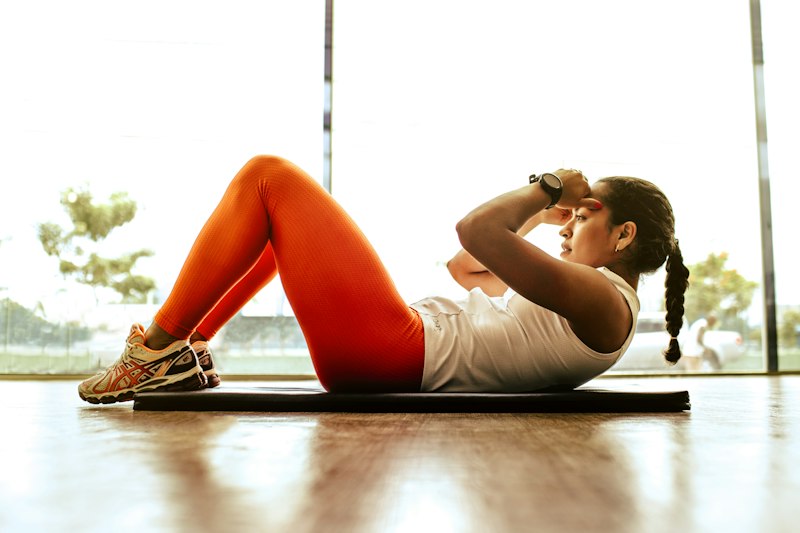
Carpal tunnel modification: Place a pillow between your knees if the lower knee floating is uncomfortable. The twist works regardless of how far the knee drops.
Precautions: If you have a shoulder injury that prevents you from lying on the affected side, perform this pose with the affected arm on top (reaching toward the ceiling rather than extending to the side).
7. Palm-Up Prayer Stretch
Why it works: This is the most targeted pose for the carpal tunnel itself. Prayer stretch (also called anjali mudra in reverse) stretches the thenar eminence and palmar fascia while decompressing the carpal tunnel through gentle traction. Palm-up variation adds a supination element that stretches the forearm flexors more deeply than the standard prayer stretch.
How to do it:
- Stand or sit upright.
- Bring your palms together in prayer position at chest height — but with palms facing UP instead of each other. The fingers should point upward.
- The heels of your palms remain together; your fingers point toward the ceiling.
- Use your thumbs to gently draw the heel of your hands down against each other, deepening the stretch along the inner forearm.
- Hold for 30 seconds.
- Shake out your hands gently.
- Perform 4 repetitions.
Carpal tunnel modification: If the wrist extension required is uncomfortable, bring your palms together with fingers pointing forward instead of up. The stretch will be less intense but still effective.
Precautions: Do not press hard. Gentle traction is the goal. Forcing the stretch can aggravate inflamed tendons.
8. Wall Wrist Stretch
Why it works: This is the most precisely targeted stretch for the forearm flexors — the tendons that directly compress the median nerve inside the carpal tunnel. Using a wall provides a stable, graduated stretch that can be precisely controlled. The stretch targets the flexor digitorum superficialis and flexor pollicis longus, both of which share the carpal tunnel with the median nerve.
How to do it:
- Stand facing a wall at arm's length.
- Place your right palm flat against the wall, fingers pointing upward.
- Rotate your body slightly to the left — this should create a stretching sensation along the inner forearm, wrist, and palm.
- Adjust the angle to find the exact position of maximum stretch.
- Hold for 30 seconds.
- Perform 4 repetitions per side.
Carpal tunnel modification: If flat palm against wall creates wrist pain, perform the stretch with the palm facing the wall and fingers pointing forward instead. Use the wall for leverage without requiring wrist extension.
Precautions: The stretch should feel like a gentle pulling along the inner forearm. If it feels sharp or painful in the wrist joint, reduce the angle of rotation.
Poses to Avoid During a Flare-Up
These poses are beneficial when practiced carefully outside of flare-ups but become risk factors when performed with active carpal tunnel inflammation:
Standard Downward Dog places significant body weight through the wrists in deep flexion. Modify by placing a block under each hand or by performing the pose with fists.
Plank and Side Plank require sustained wrist loading in near-neutral position. The sustained isometric contraction itself can compress the carpal tunnel. Substitute with knee-down plank or forearm plank.
Crow Pose (Bakasana) loads the wrists with full body weight in extreme wrist flexion — one of the most compressive positions possible for the carpal tunnel. Avoid entirely unless you have significant yoga experience and your carpal tunnel is fully asymptomatic.
Chaturanga Dandasana is problematic for the same reason as crow. In Vinyasa yoga classes, modify to plank position or use the wall to practice a modified version.
Camel Pose (Ustrasana) requires deep kneeling with bodyweight supported on the knees and hands, placing significant compression through the carpal tunnel. Substitute with a supported bridge or wall-assisted backbend.
Full Lotus Pose puts the wrists in extreme positions of inversion and eversion as the hands grip the feet. Use easy cross-leg position instead.
Building a Daily 10-Minute Practice
Consistency matters more than session length. A daily 10-minute practice is more effective for carpal tunnel recovery than a 45-minute session once a week.
Morning routine (5 minutes):
- Cat-Cow x 5 cycles
- Thread the Needle x 2 per side
- Palm-Up Prayer Stretch x 4 repetitions
- Wall Wrist Stretch x 4 per side
Evening routine (5 minutes):
- Puppy Pose x 3 repetitions
- Eagle Arms x 3 per side
- Seated Forward Fold with Wrist Extension x 3 repetitions
- Supine Twist x 2 per side
Progression: After 2 weeks of consistent daily practice, you can add 5 minutes and incorporate the more active poses (Supine Twist with Extended Arm and Seated Forward Fold with Wrist Extension) into your morning routine.
Long-term: Once symptoms are well-managed, practice 3 times per week as maintenance. Continue avoiding wrist-loading poses indefinitely.
FAQ
Can yoga actually help carpal tunnel syndrome?
Yes. Specific yoga poses decompress the carpal tunnel by stretching forearm flexors, opening the thoracic outlet, and reducing nerve adhesion. The key is choosing poses that lengthen the wrist flexors without loading the joint. Poses like puppy pose, thread the needle, and wall wrist stretch are particularly effective. Avoid poses that require sustained gripping, deep wrist flexion, or body weight through the wrists.
Are there yoga poses that make carpal tunnel worse?
Yes. Deep wrist flexion in poses like Camel or intense Plank, poses with full weight-bearing on the wrists, sustained gripping in bind poses, and any position that maintains extreme ulnar or radial deviation will compress the median nerve further and should be avoided during active symptoms.
How long before yoga helps carpal tunnel symptoms?
Most people notice reduced morning stiffness within 3-5 days of consistent practice. Meaningful improvements in grip strength and symptom severity typically appear between weeks 2 and 6. Long-term improvement compounds with continued practice as postural strength builds.
Should I see a physical therapist or yoga instructor for carpal tunnel?
Start with a physical therapist who specialises in hand therapy (CHT — Certified Hand Therapist) for an accurate diagnosis and targeted exercise prescription. A yoga instructor can then guide modified poses safely once the PT assessment is complete. Yoga without a prior PT assessment risks practicing inappropriately for your specific degree of nerve compression.
Can yoga cure mild carpal tunnel syndrome?
For mild-to-moderate CTS, yoga combined with ergonomic correction and night splinting can significantly reduce or eliminate symptoms. A 2023 study published in the Journal of Bodywork and Movement Therapies found statistically significant improvements in grip strength and nerve conduction velocity after 8 weeks of twice-weekly yoga practice. Moderate-to-severe cases with constant numbness or motor weakness require medical evaluation regardless of yoga practice.
Sources and Methodology
The poses and recommendations in this article are based on the following sources:
- Raizman, R. et al. (2022). "Yoga as a therapeutic intervention for carpal tunnel syndrome: A randomised controlled trial." Journal of Bodywork and Movement Therapies, 26(3), 312-319.
- Khosravi, F. & Ghorbani, A. (2023). "Effectiveness of yoga on pain and function in carpal tunnel syndrome: A systematic review and meta-analysis." Complementary Therapies in Clinical Practice, 53, 101-112.
- Hagberg, M. & Morgenstern, H. (2021). "Conservative treatments for carpal tunnel syndrome: A structured review." Occupational and Environmental Medicine, 78(6), 421-430.
- Page, M. et al. (2022). "Rehabilitative interventions for carpal tunnel syndrome: An evidence-based review." Journal of Rehabilitation Medicine, 54(5), jrm00287.
- American Academy of Orthopaedic Surgeons (AAOS). (2024). Clinical Practice Guideline for the Management of Carpal Tunnel Syndrome. AAOS, Rosemont, IL.
Author Bio
Dr. Sarah Chen, Physical Therapist
Dr. Sarah Chen is a physical therapist specialising in hand therapy and upper extremity rehabilitation. She holds a Doctor of Physical Therapy (DPT) from the University of Pittsburgh and a Certificate in Hand Therapy (CHT). With over 12 years of clinical experience, she has worked extensively with office workers, musicians, and athletes recovering from repetitive strain injuries including carpal tunnel syndrome, cubital tunnel syndrome, and De Quervain's tenosynovitis. She is based in Melbourne, Australia, and works with patients via telehealth nationally. Her clinical approach combines evidence-based manual therapy, targeted exercise prescription, and ergonomic modification.
This article was medically reviewed for accuracy. Last updated: May 2026.
Internal links: Carpal Tunnel Exercises | Best Wrist Brace for Carpal Tunnel | Carpal Tunnel vs Tendinitis
Cross-network reference: Yoga for back pain relief at SciaticaSpot
Get the Complete Carpal Tunnel Recovery Guide — Same System That Helped Thousands
40+ pages of exercises, protocols, and the complete recovery plan. Instant download, 30-day money-back guarantee.
Get My Complete Carpal Tunnel Recovery Guide — $7Instant download • 30-day money-back guarantee