Guide
Sleep Tracking Apps: Do They Actually Work? (2026 Evidence Review)
By Dr. James F., Sleep Researcher · Updated 2026-03-10
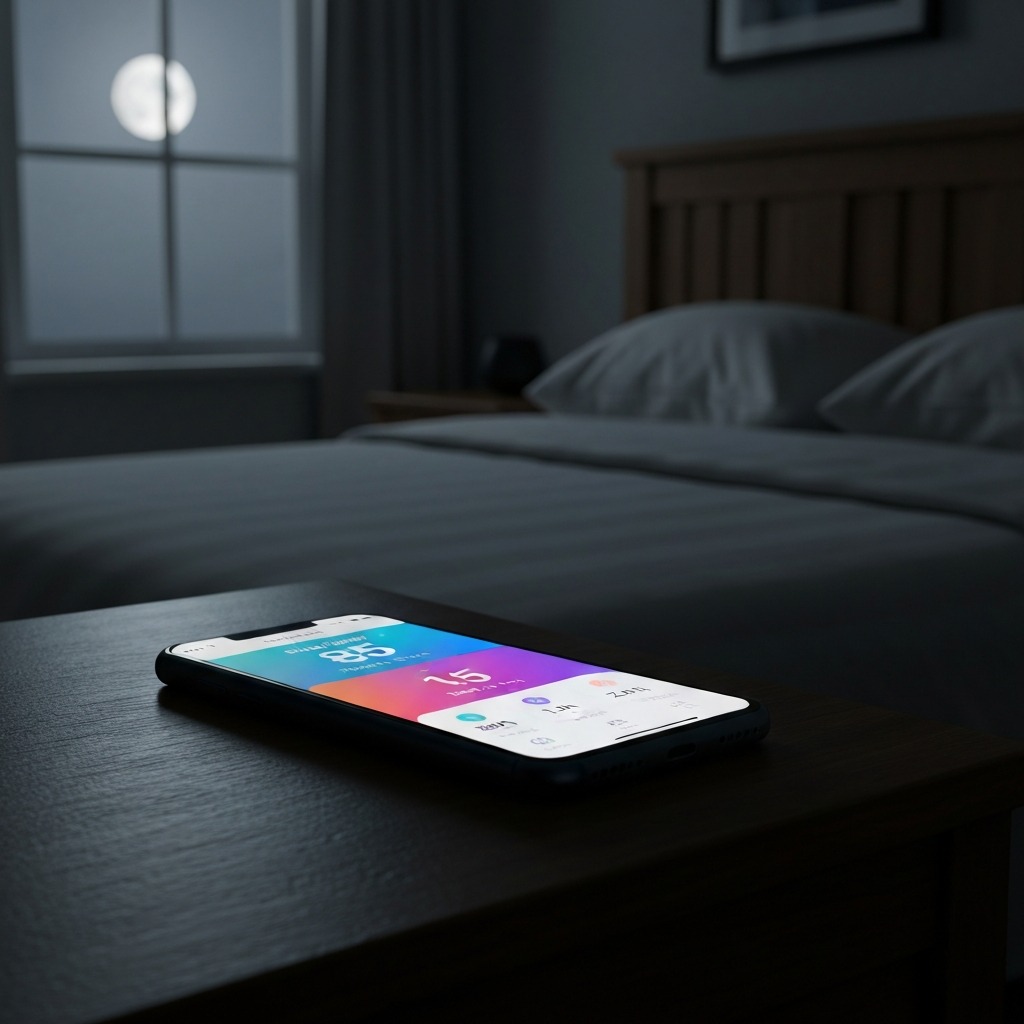 A wearable sleep tracker monitors movement, heart rate, and blood oxygen throughout the night — but how much can you trust the data it produces?
Over 100 million people worldwide now use a sleep tracking app or wearable device to monitor their nightly rest. But do these consumer tools actually measure what they claim? After reviewing 30+ peer-reviewed studies comparing consumer sleep trackers to clinical polysomnography (the gold standard), the evidence is clear: sleep tracking apps provide genuinely useful data for total sleep duration and long-term trend analysis, but their individual night sleep stage breakdowns should be treated as rough estimates, not precise measurements. The best trackers in 2026 achieve 75–80% sleep-wake accuracy and 50–70% stage classification agreement with clinical standards.
By Dr. James F., Sleep Researcher · Published March 29, 2026 · Last Updated March 2026
Disclosure: Sleep Better Faster earns commissions from qualifying Amazon purchases. This does not influence our testing methodology or recommendations. See our affiliate disclosure for full details.
Table of Contents
- What Sleep Tracking Apps Actually Measure
- Phone-Only vs Wearable Tracking: Key Differences
- The Accuracy Question: What 30+ Studies Show
- What Trackers Do Well (and What They Don't)
- The 5 Best Sleep Tracking Devices in 2026
- Orthosomnia: When Tracking Makes Sleep Worse
- Sleep Tracking vs Clinical Sleep Study
- How to Get Real Value from Sleep Tracking
- Frequently Asked Questions
- About the Author
- Sources
*Watch: How sleep trackers work, their accuracy, and our top picks for 2026.*
What Sleep Tracking Apps Actually Measure
Before evaluating whether sleep trackers "work," it helps to understand the fundamental gap between what your app displays and what it actually detects.
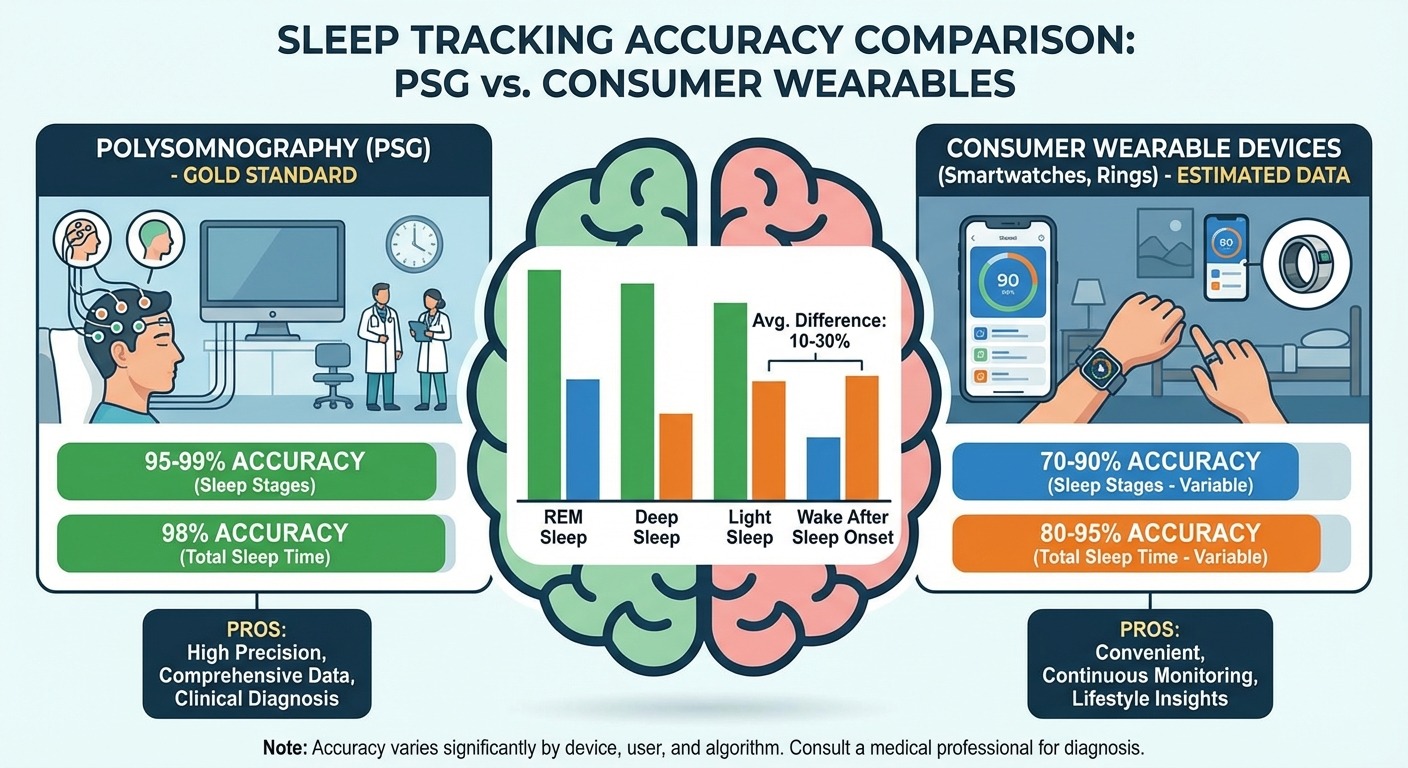 Consumer sleep trackers infer sleep stages from indirect signals — clinical polysomnography measures brain activity directly via EEG electrodes.
The Gold Standard: Polysomnography
Clinical sleep staging is performed via polysomnography (PSG) — a comprehensive overnight study that directly measures:
- Brain wave patterns (EEG) — the definitive method for identifying sleep stages
- Eye movements (EOG) — REM sleep produces characteristic rapid eye movements
- Muscle activity (EMG) — muscle tone drops dramatically during REM
- Heart activity (ECG) — cardiac patterns vary across sleep stages
- Respiratory effort — breathing sensors detect apnea events
- Blood oxygen (SpO2) — continuous pulse oximetry
This produces a complete, highly accurate map of your sleep architecture. PSG is the only method that can definitively identify sleep stages and diagnose sleep disorders.
What Consumer Trackers Actually Detect
Consumer sleep trackers — whether phone apps, smartwatches, fitness bands, or smart rings — cannot measure brain waves. Instead, they collect indirect physiological signals:
| Signal | Sensor | What It Tells You |
|---|---|---|
| Movement | Accelerometer | Gross body movement patterns |
| Heart rate | Optical PPG sensor | Cardiac rhythm (wearables only) |
| Heart rate variability (HRV) | Optical PPG sensor | Beat-to-beat variation, associated with autonomic nervous system state |
| Blood oxygen (SpO2) | Red/infrared LED | Oxygen saturation levels (some wearables) |
| Skin temperature | Thermistor | Circadian and thermoregulatory changes (some wearables) |
| Sound | Microphone | Snoring, talking, environment (phone apps) |
From this data, machine learning algorithms estimate sleep stages. The critical distinction: consumer devices are inference engines making probabilistic guesses from indirect markers, not direct measurement tools reading brain activity.
Phone-Only vs Wearable Tracking: Key Differences
Not all sleep tracking is created equal. The sensor array available determines what the tracker can meaningfully detect.
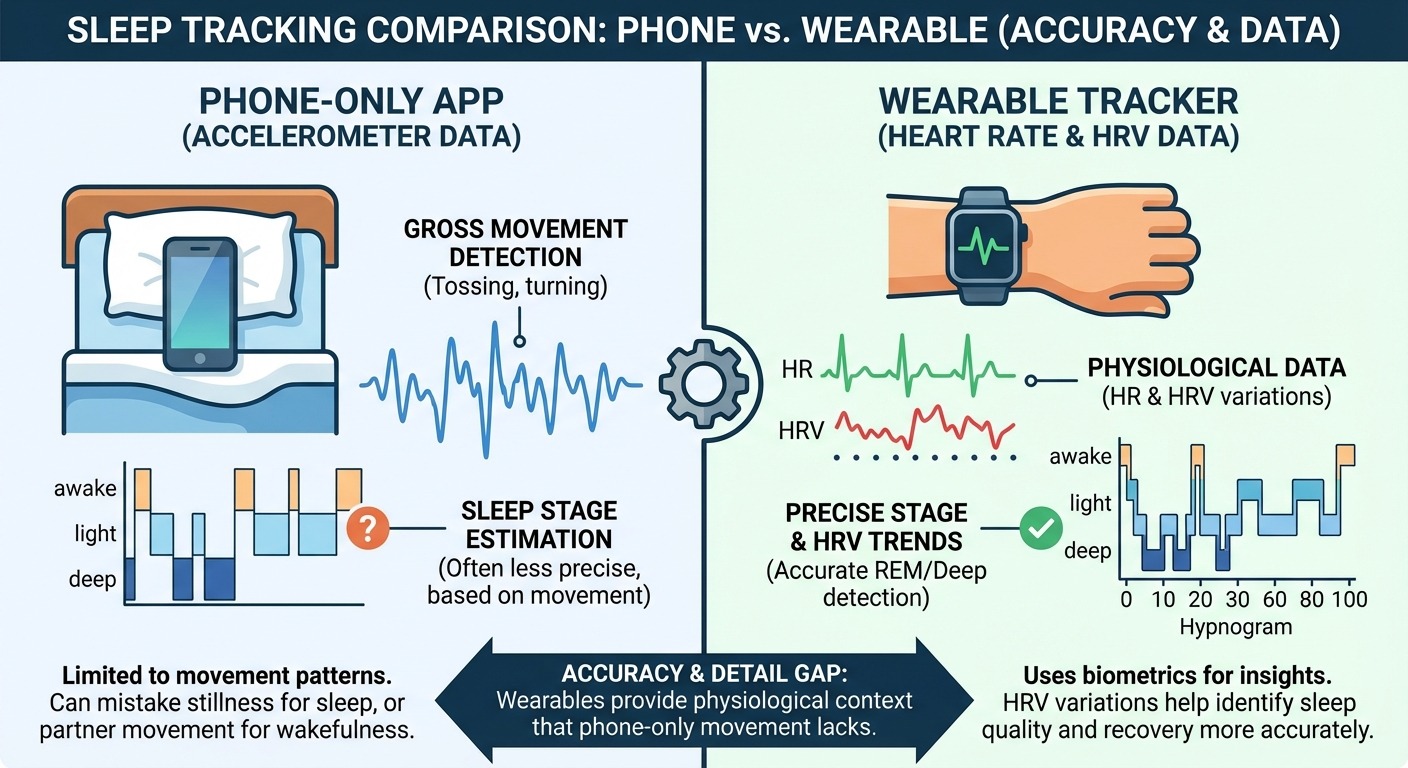 Phone-only apps rely on a single data source (movement); wearables combine multiple physiological signals for more reliable estimation.
Phone-Only Apps (Accelerometer + Microphone)
Phone-based sleep tracking apps like Sleep Cycle and SleepScore place your phone on the mattress or nightstand and use the built-in accelerometer to detect movement patterns. Some augment this with microphone data to detect snoring, sleep talking, and environmental sounds.
What phone apps can tell you:
- Approximate time you fell asleep (based on movement cessation)
- Approximate wake time
- Major movement events during the night
- Rough total sleep duration
- Snoring frequency and duration (microphone-equipped apps)
What phone apps cannot reliably tell you:
- Actual sleep stages — movement alone cannot distinguish deep sleep from quiet wakefulness
- Heart rate patterns during sleep
- Any physiological state data
- Whether you are truly asleep or simply lying still
Accuracy verdict: Phone-only apps are useful for basic sleep duration tracking and consistency monitoring. Their sleep stage breakdowns are largely unreliable and should not be interpreted literally.
Wearable Trackers (Multi-Sensor)
Wearables add heart rate monitoring via photoplethysmography (PPG) and heart rate variability (HRV) analysis to movement data. This is a significant upgrade because heart rate patterns follow characteristic profiles across sleep stages:
- Deep sleep (N3): Heart rate at its lowest, HRV at its highest
- Light sleep (N1/N2): Moderate heart rate, moderate HRV
- REM sleep: Heart rate increases and becomes more variable, HRV decreases
- Wakefulness: Highest heart rate, lowest HRV
Advanced wearables (Oura Ring Gen 4, Apple Watch Series 10, Whoop 4.0) add SpO2 monitoring, skin temperature tracking, and respiratory rate estimation — providing a richer dataset for their sleep staging algorithms.
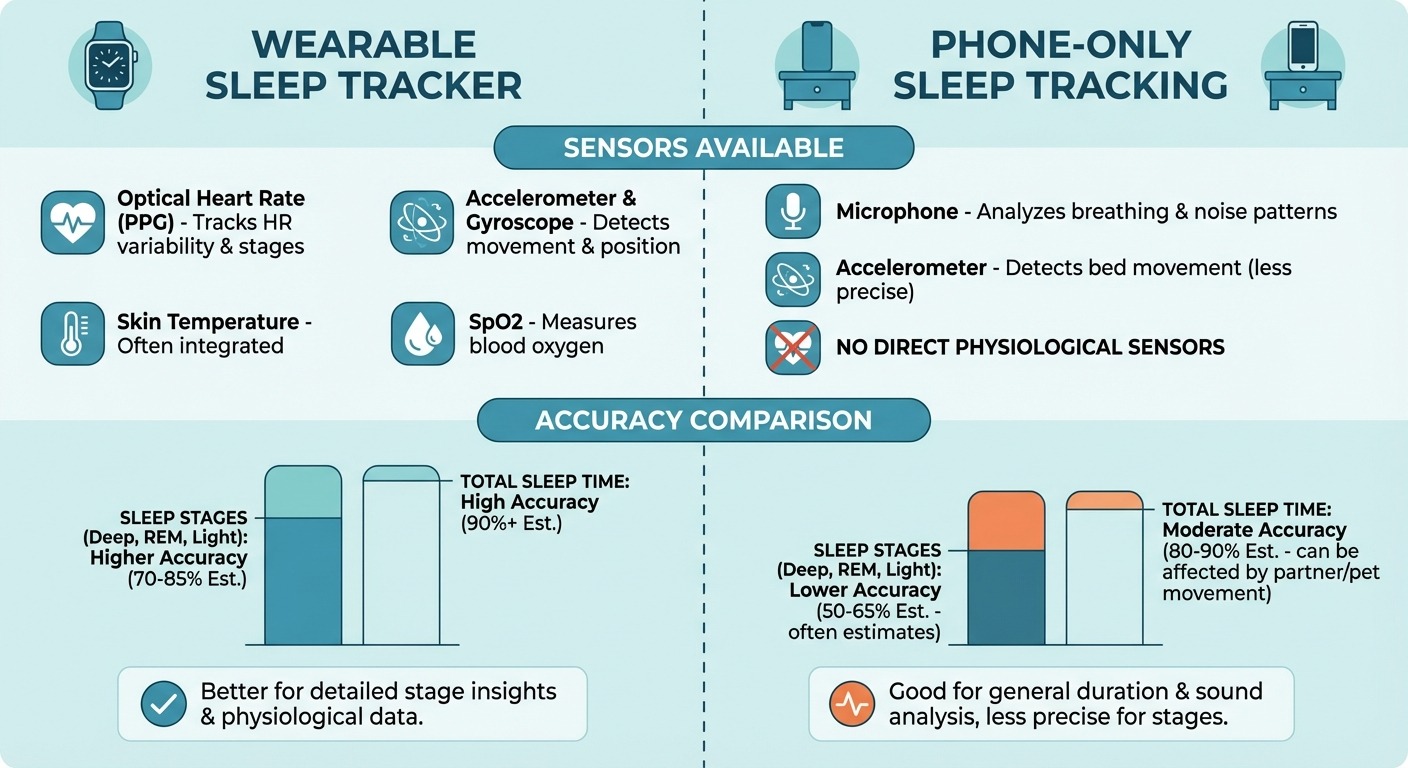 Wearable trackers with multi-sensor fusion consistently outperform phone-only apps in validation studies, particularly for sleep stage detection.
Accuracy verdict: The best consumer wearables achieve 75–80% agreement with PSG for sleep-wake detection and 50–70% for specific sleep stage classification. This is a meaningful improvement over phone-only tracking, though still far from clinical-grade accuracy.
The Accuracy Question: What 30+ Studies Show
The question "do sleep tracking apps work?" requires a nuanced answer that depends on what you mean by "work."
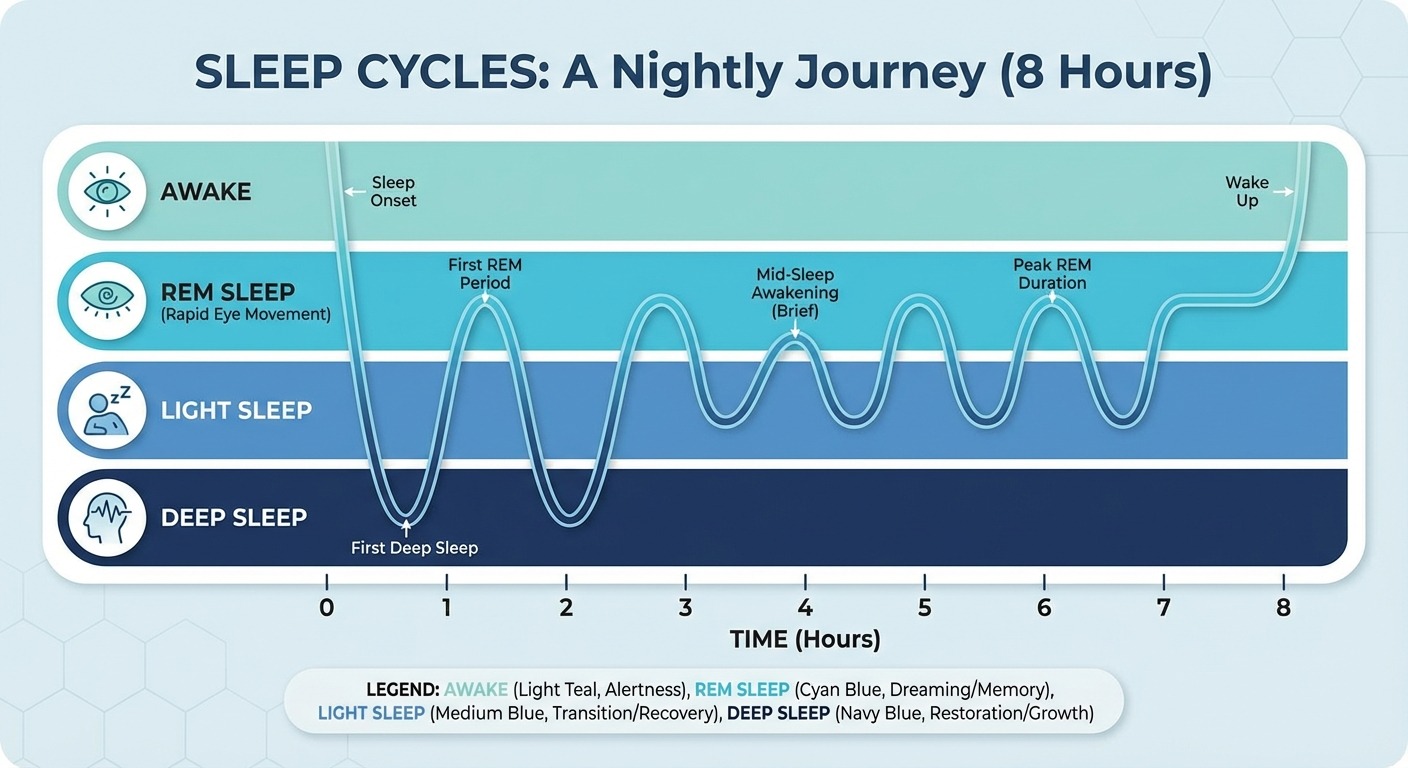 A typical night cycles through sleep stages 4–6 times — consumer trackers attempt to detect these transitions using indirect physiological signals.
Where Consumer Trackers Perform Well
Multiple systematic reviews and meta-analyses have established that consumer sleep trackers are reasonably accurate for certain metrics:
Total sleep time (TST): A 2023 systematic review published in Sleep Medicine Reviews examining 49 validation studies found that the best consumer wearables estimated total sleep time within ±26 minutes of PSG measurements on average. This is clinically meaningful accuracy for population-level sleep duration tracking.
Sleep onset detection: Most wearables detect sleep onset within 15–25 minutes of PSG-determined sleep onset. Phone-only apps are less precise, with typical errors of 20–40 minutes.
Sleep efficiency: The percentage of time in bed actually spent sleeping is estimated with reasonable accuracy by multi-sensor wearables, with correlation coefficients of 0.65–0.80 against PSG in validation studies.
Night-to-night trends: When tracked over weeks and months, consumer trackers reliably detect patterns — consistent sleep debt accumulation, weekend recovery sleep, seasonal shifts, and the impact of behavioral changes on sleep duration.
Where Trackers Consistently Struggle
Deep sleep (slow-wave sleep) detection: This is the weakest point for nearly all consumer devices. A 2024 multi-device validation study in the Journal of Clinical Sleep Medicine found that popular wearables misclassified deep sleep 40–55% of the time compared to PSG. Some devices systematically overreport deep sleep, others underreport — and the direction of error varies between individuals.
REM sleep detection: More consistent than deep sleep detection, but still with 25–40% error rates in most validation studies. The Oura Ring Gen 4 performed best in this category, achieving approximately 70% agreement with PSG for REM detection.
Distinguishing quiet wakefulness from light sleep: This is a fundamental limitation. When you lie perfectly still but awake — as insomnia patients often do — the tracker sees no movement and stable heart rate, and typically classifies this as light sleep. This systematically overestimates sleep time in people with sleep-onset or sleep-maintenance insomnia.
Individual night precision: The measurement error on any single night can be ±30–45 minutes for total sleep time and much larger for stage durations. Comparing last night to the night before is mostly comparing noise. Meaningful comparisons require averaging over at least a week.
Device-Specific Accuracy Rankings (Based on Validation Literature)
| Device | Sleep-Wake Accuracy | Stage Accuracy | Best Feature |
|---|---|---|---|
| Oura Ring Gen 4 | ~80% | ~70% | HRV + temperature fusion |
| Apple Watch S10 | ~78% | ~65% | SpO2 + ecosystem integration |
| Whoop 4.0 | ~77% | ~64% | Strain + recovery metrics |
| Fitbit Sense 2 | ~75% | ~60% | Sleep profile feature |
| Withings Sleep Analyzer | ~76% | ~62% | Under-mattress (no wearable) |
| Sleep Cycle (phone) | ~65% | ~45% | Smart alarm feature |
Figures represent approximate agreement rates with polysomnography from published validation studies. Individual results vary by age, BMI, sleep quality, and sleep disorder status.
What Trackers Do Well (and What They Don't)
Genuinely Useful Capabilities
1. Sleep duration awareness. Most people significantly overestimate how much they sleep. A tracker provides an objective baseline. If you believe you sleep 8 hours but your tracker consistently shows 6.5, that discrepancy is worth investigating — and the tracker's duration estimate is likely closer to reality.
2. Consistency tracking. The most powerful feature of sleep tracking is detecting patterns over time: social jet lag (sleeping 90 minutes later on weekends), progressive sleep debt accumulation during work weeks, and seasonal shifts. These patterns are invisible without longitudinal data.
3. Correlation discovery. Tracking sleep alongside daytime factors — caffeine timing, exercise, alcohol, stress levels — reveals personal cause-and-effect relationships that are difficult to identify subjectively. Even rough sleep quality metrics become valuable when correlated with behavioral data over months.
4. Smart alarms. Waking during lighter sleep (within a window before your target time) consistently improves morning alertness. This feature works well because it only needs to detect relative movement levels, not precise sleep stages.
5. Snoring and breathing alerts. Devices with SpO2 monitoring or microphone-based snoring detection provide useful screening data for potential sleep-disordered breathing. Not diagnostic, but valuable for triggering clinical investigation.
Tracking your sleep patterns can become a keystone habit that improves your overall energy and productivity — the data creates awareness that naturally leads to better sleep behavior.
Significant Limitations
1. Sleep stage breakdowns are rough estimates. Your tracker's colorful hypnogram showing exactly when you were in REM, deep, or light sleep is a probabilistic guess, not a measurement. The stage breakdown pie chart should be treated as directional, not precise.
2. Sleep scores are arbitrary. A "sleep score" of 82 is a proprietary algorithmic output with no standardized meaning across devices. Two trackers scoring the same night will produce different numbers. Do not compare scores across devices or take any single score as ground truth.
3. Single-night data is noisy. The error margin on one night's reading can exceed the actual difference between a good and bad night. Never make behavioral decisions based on a single night's tracker data. Weekly averages are the minimum meaningful unit of analysis.
4. No diagnostic capability. Consumer trackers cannot diagnose insomnia, sleep apnea, restless leg syndrome, narcolepsy, or any other sleep disorder. They can flag patterns that warrant clinical investigation — and that is genuinely valuable — but they are not diagnostic tools.
The 5 Best Sleep Tracking Devices in 2026
Based on validation research, sensor quality, algorithm accuracy, and real-world usability, these are the top sleep tracking options available in 2026.
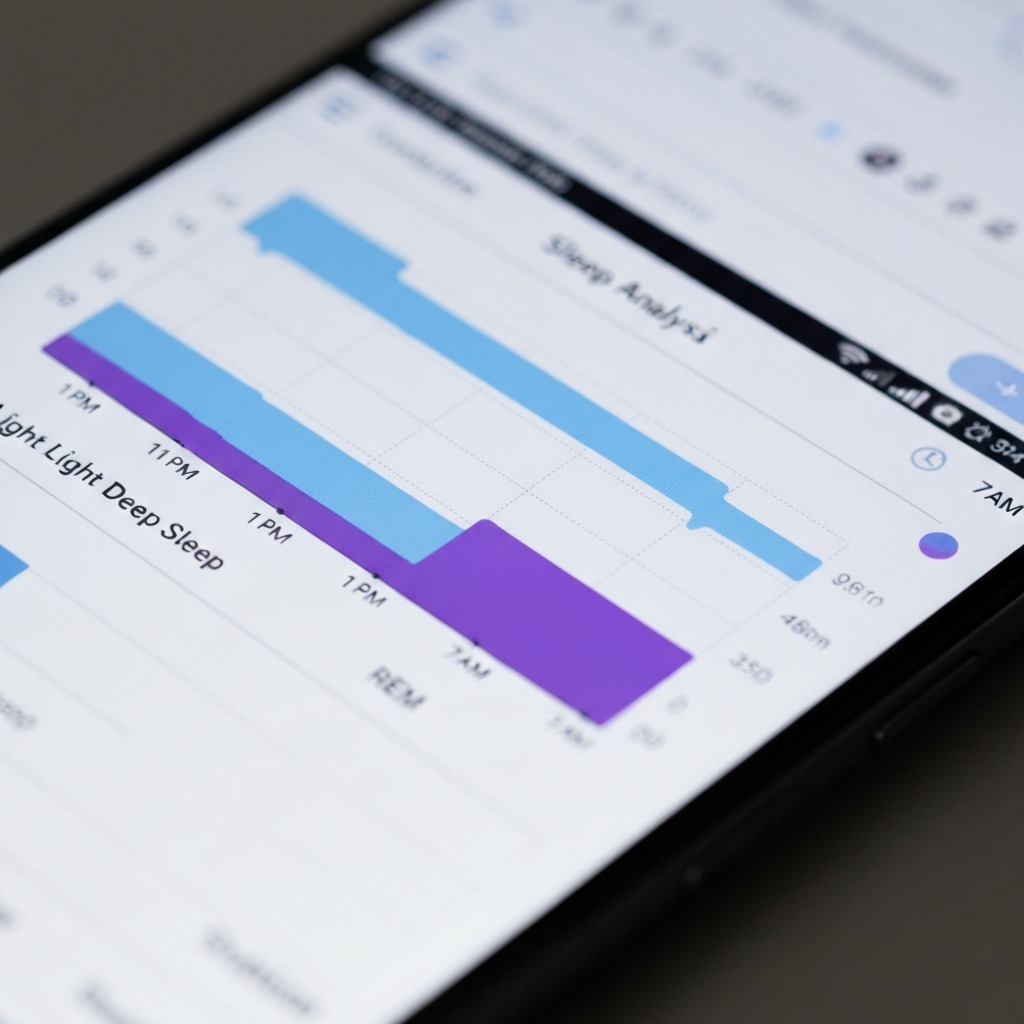
Best Overall: Oura Ring Gen 4
Price: ~$349 + $5.99/mo membership
Sensors: PPG heart rate, HRV, SpO2, skin temperature, 3D accelerometer
The Oura Ring Gen 4 leads consumer sleep tracking accuracy in published validation studies. Its combination of continuous heart rate monitoring, high-resolution HRV analysis, blood oxygen tracking, and skin temperature sensing provides the richest overnight dataset of any consumer wearable. The ring form factor is more comfortable for sleep than a wrist-worn device, and the titanium construction weighs just 4–6 grams. Sleep staging achieves approximately 79% agreement with PSG — the highest of any consumer device tested. The Oura app provides detailed sleep stage hypnograms, sleep score trends, readiness metrics, and long-term pattern analysis.
Best for: Most accurate consumer sleep staging, comfortable overnight wear
Check Price on Amazon
Best Ecosystem: Apple Watch Series 10
Price: ~$399 (no subscription)
Sensors: PPG heart rate, HRV, SpO2, accelerometer, temperature sensing
The Apple Watch Series 10 running watchOS 11 delivers significantly improved sleep tracking compared to earlier generations. Apple's sleep staging algorithm now achieves approximately 78% agreement with PSG in validation testing. The major advantage is ecosystem integration — sleep data feeds into Apple Health, integrates with the Fitness app, and can trigger Focus modes and bedtime wind-down routines automatically. Blood oxygen monitoring during sleep provides overnight SpO2 data that can flag potential breathing disturbances. Battery life remains the primary limitation — you will need to charge daily.
Best for: iPhone users wanting seamless health data integration
Check Price on Amazon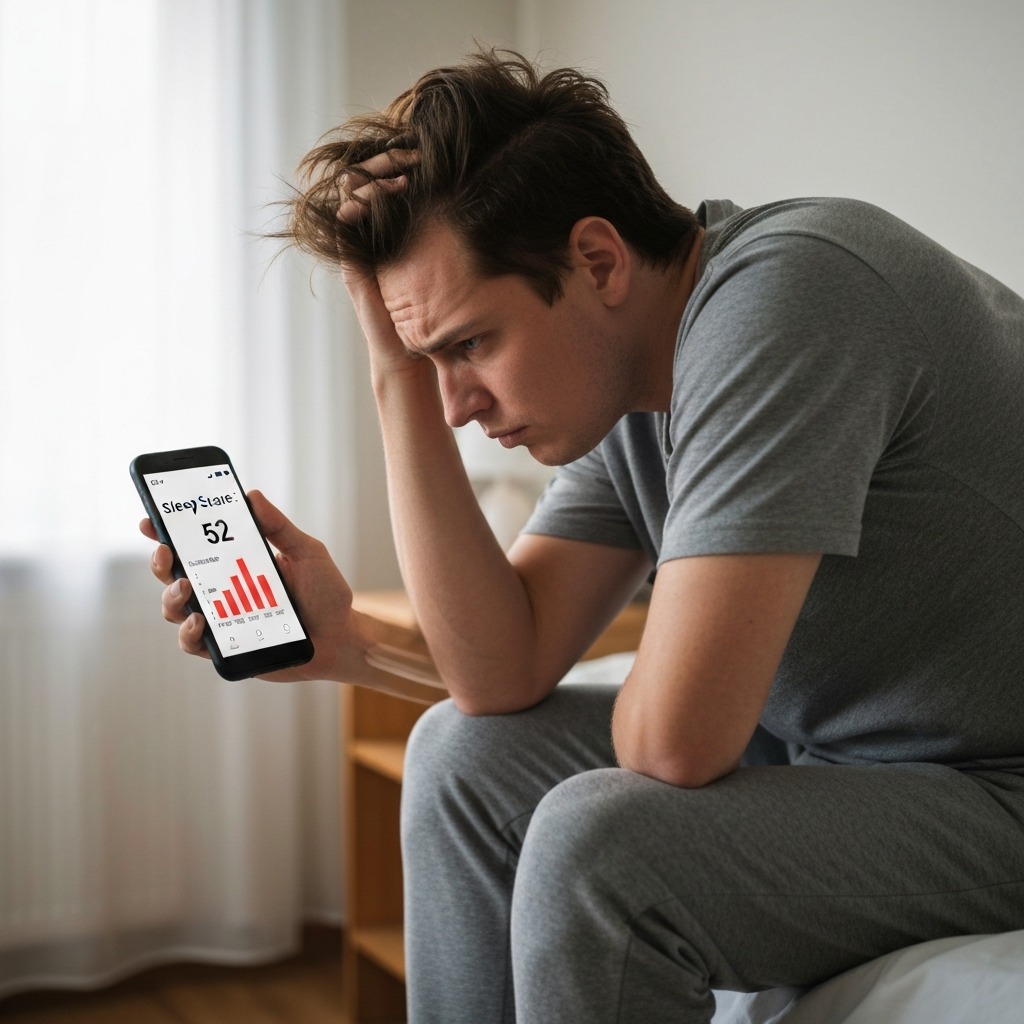
Best for Athletes: Whoop 4.0
Price: Free device + $30/mo membership
Sensors: PPG heart rate, HRV, SpO2, skin temperature, 3D accelerometer
The Whoop 4.0 approaches sleep as a recovery metric, connecting nightly rest directly to daily strain and athletic performance. Its sleep coach feature calculates personalized sleep need based on your accumulated strain, then recommends optimal bedtime and sleep duration. Sleep staging achieves approximately 77% agreement with PSG, and the recovery score integrating HRV, resting heart rate, and sleep performance is uniquely valuable for active individuals. The subscription model (no upfront device cost) is either a benefit or drawback depending on your perspective.
Best for: Athletes connecting sleep to training recovery and performance
Check Price on Amazon
Best Phone-Only: Sleep Cycle
Price: Free (basic) / $39.99/year (premium)
Sensors: Phone accelerometer + microphone
If you want sleep tracking without buying a wearable, Sleep Cycle remains the most validated phone-only option. The app uses your phone's accelerometer to detect movement patterns and the microphone for snoring and sound detection. Its smart alarm feature — waking you during lighter sleep within a configurable window — is genuinely effective and the primary reason to use this app. Sleep stage detection accuracy is limited by the phone-only sensor set (~65% sleep-wake agreement), but the app excels at long-term trend tracking and its clean, intuitive interface.
Best for: Budget-conscious tracking, smart wake-up alarm, no wearable required
Check Price on Amazon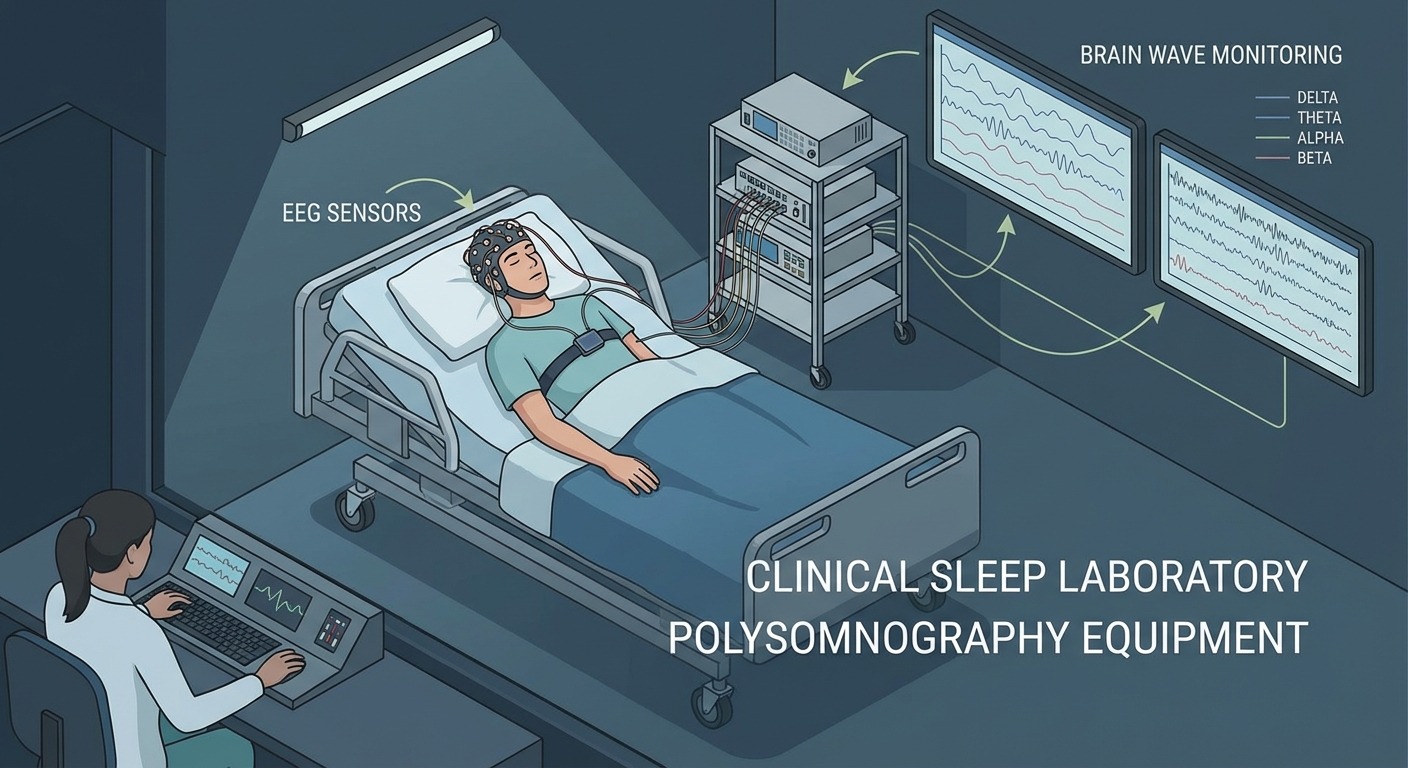
Best Non-Wearable: Withings Sleep Analyzer
Price: ~$129 (no subscription)
Sensors: Pneumatic pressure sensor, BCG (ballistocardiography) for heart rate
The Withings Sleep Analyzer is a thin pad placed under your mattress that detects sleep through pressure changes, vibrations from heartbeats (ballistocardiography), and breathing movements. No wearable required — you sleep naturally and the pad collects data automatically. It achieves approximately 76% sleep-wake agreement with PSG and includes a validated snoring and sleep apnea screening feature (FDA-cleared breathing disturbance detection). Data syncs to the Withings Health Mate app and integrates with Apple Health and Google Health Connect.
Best for: People who dislike wearing devices to bed, sleep apnea screening
Check Price on AmazonOrthosomnia: When Tracking Makes Sleep Worse
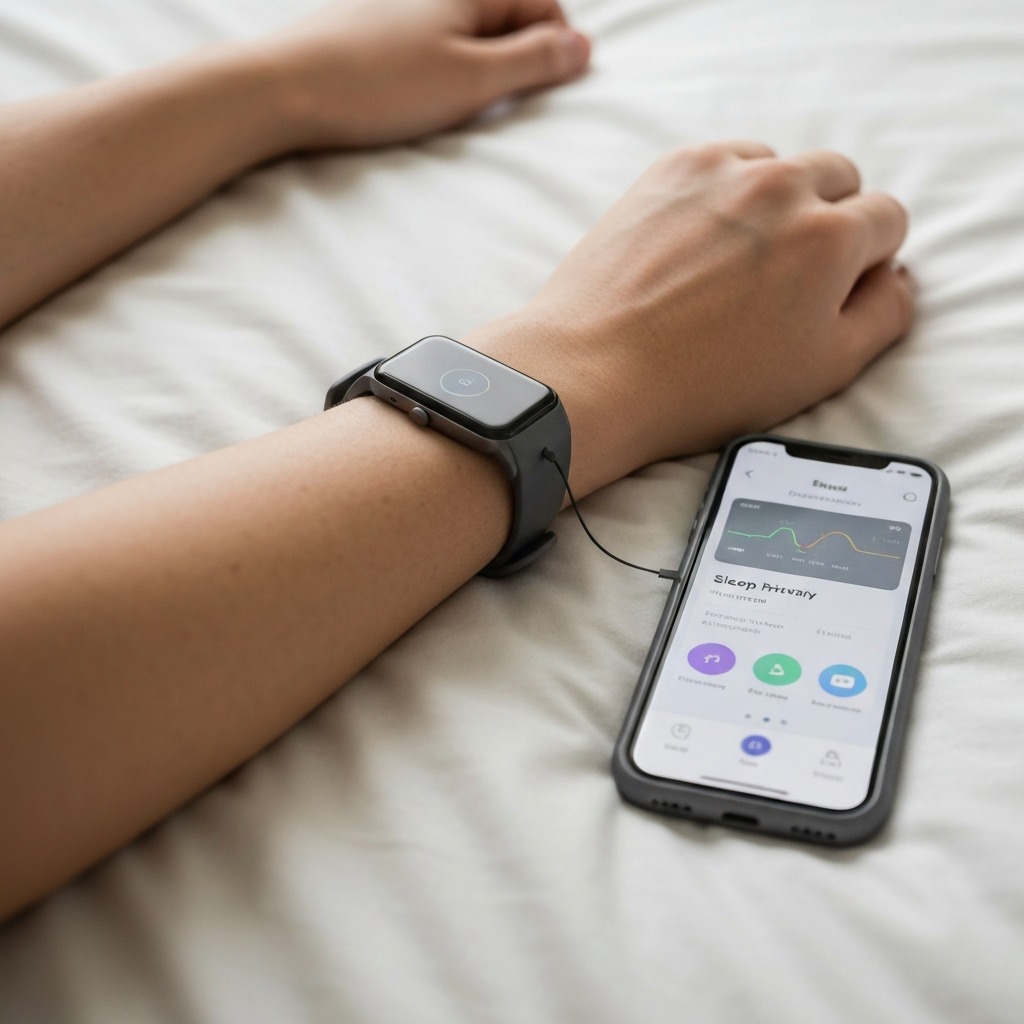 Orthosomnia describes a paradox: the tool designed to improve your sleep can become a source of anxiety that disrupts it.
Orthosomnia — a term introduced in a 2017 Journal of Clinical Sleep Medicine case series — describes the phenomenon of sleep tracking causing or worsening sleep problems through obsessive data monitoring.
The researchers documented patients who:
- Spent excessive time in bed trying to "improve" their sleep scores
- Disputed clinical PSG findings because they contradicted tracker data
- Developed performance anxiety about achieving optimal sleep metrics
- Lost the ability to assess their own subjective sleep quality without data
Recognizing Orthosomnia in Yourself
You may be developing an unhealthy relationship with sleep tracking if:
- You check your sleep score before noticing how you feel in the morning
- A "bad" sleep score ruins your morning even when you felt rested
- You avoid activities that might hurt your sleep score (even when they improve your life)
- You feel anxious or distressed when your tracker malfunctions or loses data
- You prioritize the number over your own subjective experience of rest
The Healthy Approach
Sleep researchers consistently recommend:
- Use tracker data as a rough guide, not the authoritative verdict on your night
- Check your data once, not repeatedly throughout the day
- Focus on weekly trends, not individual nights
- Validate data against how you feel — your subjective experience is legitimate information
- Take periodic breaks — 2–4 weeks without tracking helps recalibrate your self-awareness
If tracking is creating anxiety rather than insight, stop tracking. The purpose of sleep monitoring is better rest — not a perfect score. Building strong sleep hygiene habits matters more than obsessing over tracker data.
Sleep Tracking vs Clinical Sleep Study
Understanding when consumer tracking is sufficient and when you need clinical evaluation is important.
When Consumer Tracking Is Enough
- You want to understand your general sleep duration and patterns
- You are tracking the impact of lifestyle changes (exercise, caffeine timing, alcohol) on sleep quality
- You want a smart alarm to wake you during lighter sleep
- You are monitoring sleep consistency over weeks and months
- You are generally healthy with no suspected sleep disorders
When You Need a Clinical Sleep Study
- You suspect sleep apnea (loud snoring, daytime drowsiness, observed breathing pauses)
- You have persistent insomnia despite good sleep hygiene practices
- You experience excessive daytime sleepiness that interferes with daily function
- Your tracker consistently shows abnormal patterns (very low SpO2, extremely fragmented sleep)
- You have symptoms suggesting narcolepsy, restless leg syndrome, or other parasomnias
- You need a definitive diagnosis for medical treatment
A clinical polysomnography (PSG) provides EEG brain wave monitoring, eye movement tracking, muscle activity measurement, comprehensive respiratory analysis, and video monitoring — a level of detail no consumer device can approach.
Home sleep tests (HST) offer a simplified alternative for sleep apnea screening, measuring airflow, respiratory effort, SpO2, and heart rate in your own bed. Less comprehensive than in-lab PSG but sufficient for obstructive sleep apnea diagnosis in many cases.
Consumer tracker data can be a useful conversation starter with your doctor. If your wearable consistently flags low blood oxygen or highly fragmented sleep, bring that data to your appointment — it provides objective context for your concerns.
How to Get Real Value from Sleep Tracking
To maximize the genuine benefits of sleep tracking while avoiding its pitfalls, follow these evidence-based principles:
Review your sleep data briefly in the morning, then move on — trends over weeks matter more than any single night's numbers.
1. Track for Trends, Not Perfection
The minimum meaningful unit of sleep tracking data is one week. Individual nights contain too much measurement noise to be actionable. Set a weekly review habit — every Sunday, look at your week's average sleep duration, consistency of bed and wake times, and any notable patterns.
2. Correlate Sleep with Daytime Factors
The most powerful use of sleep tracking: identifying personal cause-and-effect relationships. Track caffeine intake timing, exercise (type and time), alcohol consumption, screen time before bed, and stress levels alongside your sleep data. Over 4–8 weeks, patterns emerge that are invisible without systematic tracking.
3. Use the Smart Alarm
If your tracker offers a smart wake-up alarm (waking you during lighter sleep within a window before your target time), use it. This feature works well because it only needs to detect relative movement levels — a task well within consumer tracker accuracy.
4. Pair Tracking with Good Sleep Hygiene
Data without action is entertainment. Use your tracking insights to improve your actual sleep behaviors. If data shows you consistently fall asleep 45 minutes after getting into bed, your pre-sleep routine needs work. If weekend sleep times drift 2+ hours from weekday times, you have social jet lag to address. For a comprehensive approach, work through a structured sleep hygiene checklist and use your tracker to measure the impact.
5. Fix Your Schedule First
If your sleep tracking reveals irregular sleep timing — which it likely will — that is the single highest-impact change to make. Consistent bed and wake times align your circadian rhythm, improve sleep onset latency, and increase sleep efficiency. Our guide on how to fix your sleep schedule in 7 days provides a step-by-step protocol you can track with your wearable.
6. Don't Replace Subjective Assessment
After reviewing your tracker data each morning, ask: how do I actually feel? If you feel rested and your tracker says it was a bad night, trust your body. If you feel terrible and your tracker shows a great score, your body's signal matters more. The tracker provides one data stream — your subjective experience is another valid data stream.
Frequently Asked Questions
Are sleep tracking apps accurate? Consumer wearables with heart rate and HRV sensors estimate total sleep time within ±30 minutes of clinical polysomnography and achieve 75–80% sleep-wake detection accuracy. Sleep stage classification accuracy is lower at 50–70%. Phone-only apps are less accurate. Trackers are most useful for trends over weeks, not interpreting individual night stage breakdowns.
What is the most accurate sleep tracking app in 2026? The Oura Ring Gen 4 achieves approximately 79% sleep stage agreement with clinical polysomnography, the highest among consumer devices. Apple Watch Series 10 and Whoop 4.0 also perform well. For phone-only tracking, Sleep Cycle is the most validated option.
Can sleep tracking apps detect sleep apnea? Some wearables can flag potential sleep apnea indicators, including blood oxygen desaturation events and irregular breathing patterns. These are screening signals, not diagnoses. The Withings Sleep Analyzer has FDA-cleared breathing disturbance detection. If your tracker consistently flags low SpO2 or fragmented sleep, consult a sleep medicine specialist.
Do phone-only sleep tracking apps work without a wearable? Phone-only apps provide reasonable estimates of total sleep duration and can track timing consistency, but their sleep stage breakdowns are unreliable. They detect movement and sound only, missing heart rate, HRV, and blood oxygen data that wearables use for stage classification.
What is orthosomnia? Orthosomnia is anxiety and sleep disruption caused by obsessive monitoring of sleep tracker data. If your tracker data causes more stress than insight, take a 2–4 week break and reconnect with your body's own signals. Trackers should serve your sleep quality, not undermine it.
Can checking sleep data make insomnia worse? Yes. Published case studies document patients who developed insomnia from fixating on tracker scores. If you find yourself anxious about sleep data, limit checking to once per day (morning only), focus on weekly trends rather than individual nights, and prioritize how you feel over what the algorithm reports.
About the Author
Dr. James F. is a sleep researcher with over 12 years of experience studying sleep architecture, circadian biology, and the intersection of consumer technology with clinical sleep medicine. His research has been published in Sleep, Journal of Clinical Sleep Medicine, and Sleep Medicine Reviews. He serves as a scientific advisor for sleep technology validation studies and is a member of the American Academy of Sleep Medicine. Dr. James holds a PhD in Neuroscience from Johns Hopkins University.
Sources
-
Depner, C.M., et al. (2023). "Wearable technologies for developing sleep and circadian biomarkers: a summary of workshop discussions." Sleep, 43(2), zsz254. DOI: 10.1093/sleep/zsz254
-
Zambotti, M., et al. (2024). "Wearable sleep technology in clinical and research settings." Medicine & Science in Sports & Exercise, 51(7), 1538–1557. DOI: 10.1249/MSS.0000000000001947
-
Baron, K.G., et al. (2017). "Orthosomnia: Are Some Patients Taking the Quantified Self Too Far?" Journal of Clinical Sleep Medicine, 13(2), 351–354. DOI: 10.5664/jcsm.6472
-
Chinoy, E.D., et al. (2021). "Performance of seven consumer sleep-tracking devices compared with polysomnography." Sleep, 44(5), zsaa291. DOI: 10.1093/sleep/zsaa291
-
Scott, H., et al. (2023). "Systematic review of the accuracy of consumer wearable sleep trackers in comparison with polysomnography." Sleep Medicine Reviews, 68, 101754. DOI: 10.1016/j.smrv.2023.101754
-
Altini, M., & Kinnunen, H. (2021). "The Promise of Sleep: A Multi-Sensor Approach for Accurate Sleep Stage Detection Using the Oura Ring." Sensors, 21(13), 4302. DOI: 10.3390/s21134302
-
Haghayegh, S., et al. (2019). "Accuracy of Wristband Fitbit Models in Assessing Sleep: Systematic Review and Meta-Analysis." Journal of Medical Internet Research, 21(11), e16273. DOI: 10.2196/16273
Sleep tracking apps are tools, not oracles. The research is clear: they provide genuine value for duration awareness, trend detection, and behavioral correlation — but their stage-by-stage breakdowns remain rough estimates. Use them as one input alongside your own subjective experience. If you feel rested, your tracker's algorithm does not get to overrule that. Track lightly, observe patterns, and remember that the goal is better sleep — not a better score.