Guide
Essential Oils for Carpal Tunnel: Evidence and Safety
By Carpal Tunnel Guide Editorial Team · Updated 2026-04-21
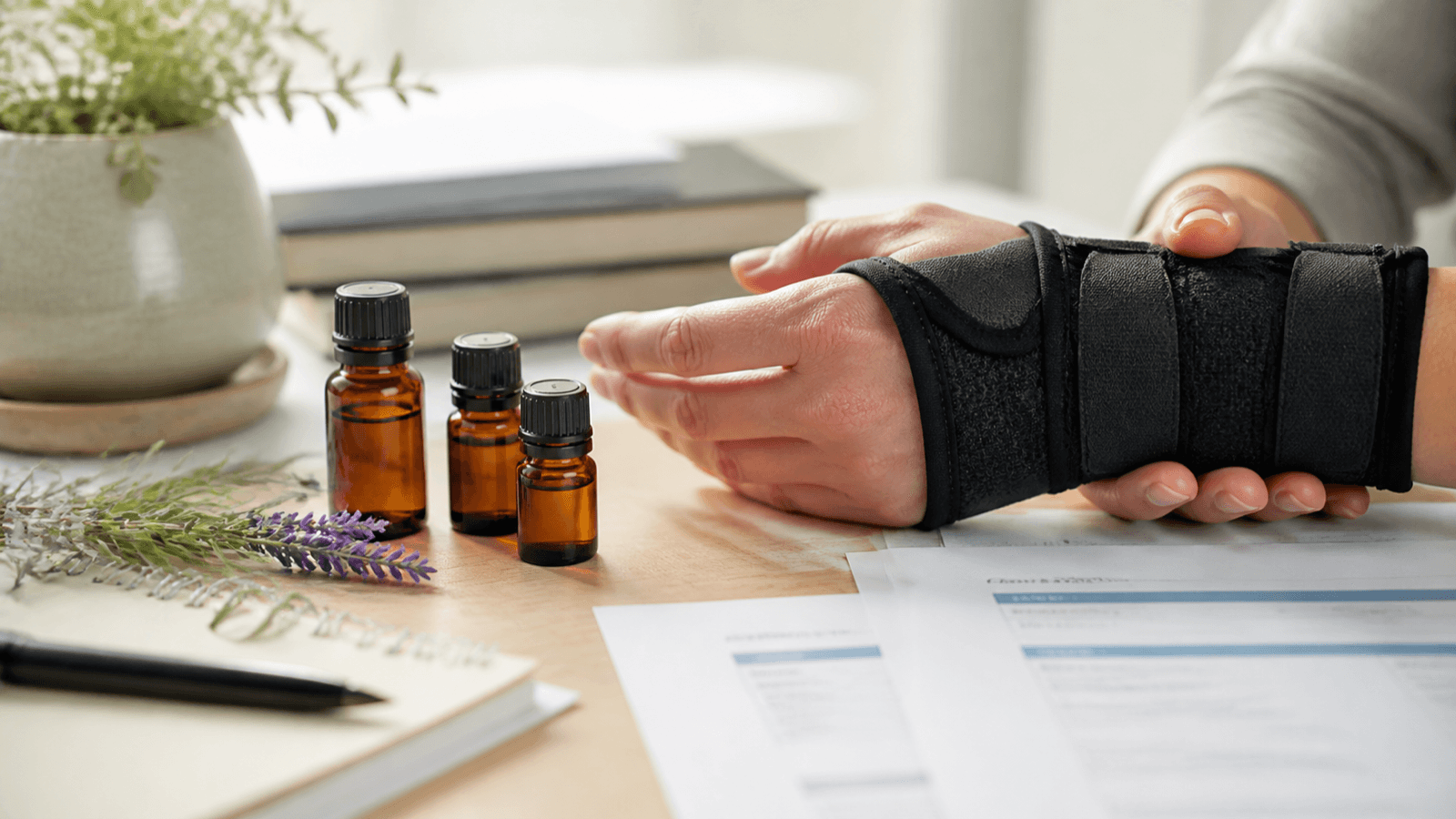
Essential oils are not a cure for carpal tunnel syndrome — no amount of frankincense or peppermint can decompress a median nerve that is physically compressed by swollen tendons inside a narrow carpal tunnel. What some essential oils can do is reduce the local inflammatory component that contributes to compression, provide temporary symptomatic relief from pain and numbness, and support the relaxation response that indirectly benefits chronic pain conditions. Understanding exactly what they can and cannot do prevents you from substituting aromatherapy for evidence-based care.
Last updated: April 2026
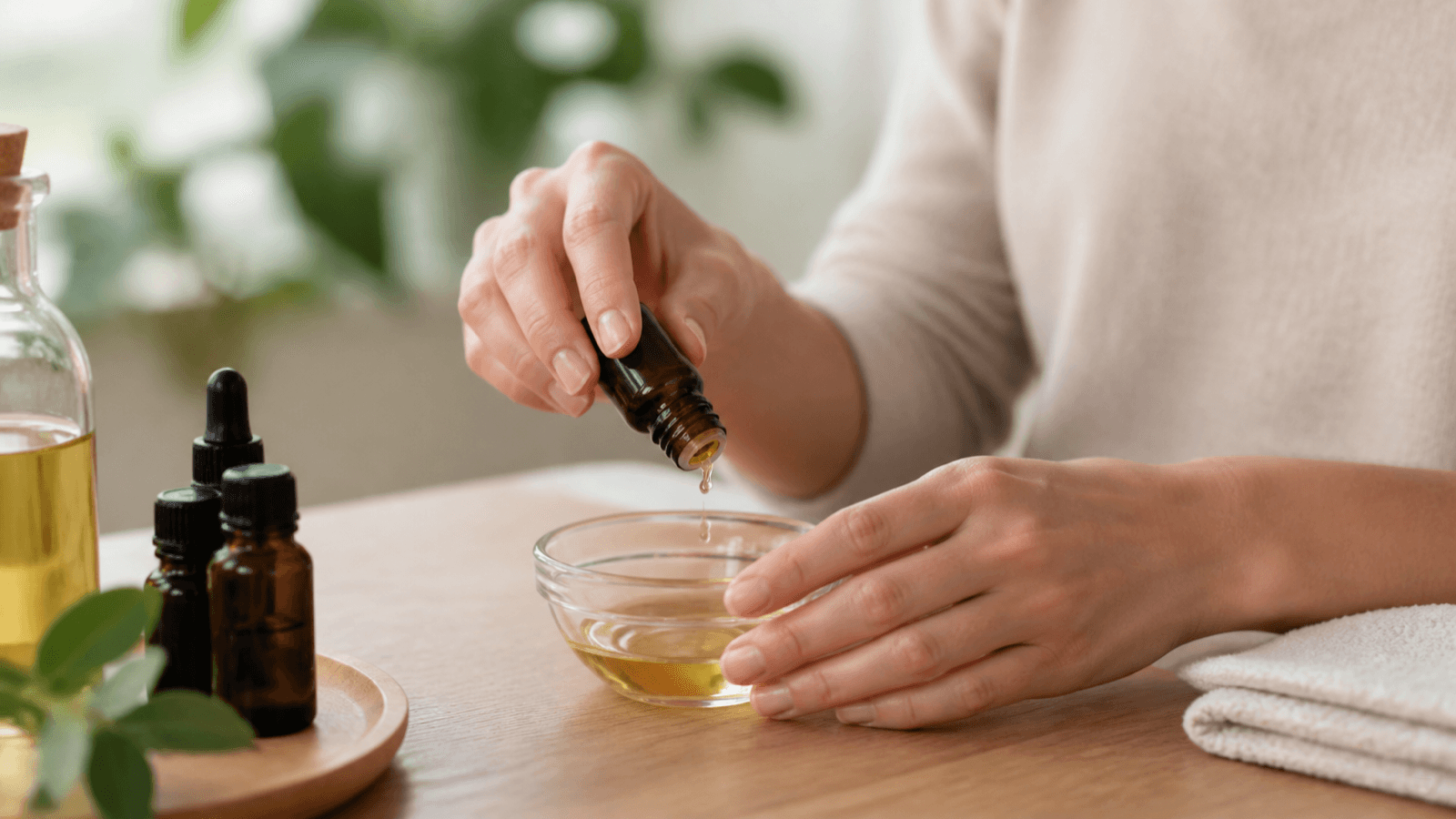
Table of Contents
- What Essential Oils Can and Cannot Do
- The Science Behind Topical Essential Oil Application
- Essential Oils With Research Support
- Essential Oils Without Research Support
- How to Apply Essential Oils Safely for Carpal Tunnel
- Essential Oil Recipes for Carpal Tunnel Symptom Relief
- How Essential Oils Fit Into a Complete Treatment Plan
- FAQs
- Sources & Methodology
What Essential Oils Can and Cannot Do
What They CAN Do
Essential oils applied topically in properly diluted form may:
- Reduce localized inflammation in the soft tissues surrounding the carpal tunnel
- Provide temporary topical analgesic (pain-numbing) effects through cooling or warming sensations
- Support relaxation and stress reduction, which indirectly reduces cortisol-related inflammation
- Increase local circulation through warming or cooling circulatory reflexes
- Act as a complementary support to evidence-based treatments like bracing, PT, and surgery
What They CANNOT Do
Essential oils cannot:
- Decompress the median nerve inside the carpal tunnel
- Reverse carpal tunnel syndrome without addressing the underlying mechanical compression
- Penetrate deeply enough to reach the median nerve through the flexor retinaculum
- Replace night bracing, ergonomic modification, physical therapy, or surgery when those are indicated
- Be absorbed transdermally in concentrations sufficient to affect systemic inflammation at the carpal tunnel
This distinction is critical: essential oils may help manage the inflammation that accompanies carpal tunnel syndrome, but they do not treat the syndrome itself. Anyone promoting essential oils as a cure for carpal tunnel is misrepresenting what the evidence actually shows.
The Science Behind Topical Essential Oil Application
Transdermal Absorption Basics
The skin is a highly effective barrier — its primary function is to keep foreign substances out of the body. Essential oils are composed of small, volatile aromatic molecules that can penetrate the outermost layer of skin (the stratum corneum) in small quantities when applied in a fatty carrier oil.
The depth of penetration depends on the molecular weight of the oil's constituents, the concentration in the carrier oil, the condition of the skin (intact vs. damaged), and the duration of contact. Most essential oil constituents that do penetrate the skin reach the dermis (the second skin layer) but do not penetrate to the depth of the carpal tunnel, which lies beneath the palmar fascia and flexor retinaculum.
This means that even when essential oils are applied directly to the wrist, they affect primarily the skin, subcutaneous fat, and superficial soft tissues — not the median nerve inside the carpal tunnel. The benefit is in reducing superficial inflammation that may contribute to the overall inflammatory environment.
The Inflammatory Pathway
Carpal tunnel inflammation follows the same biochemical pathway as inflammation elsewhere in the body: an injury or irritant triggers the release of prostaglandins and leukotrienes (inflammatory mediators) from cell membranes, which cause vasodilation, swelling, and pain receptor activation. The anti-inflammatory essential oils work either by inhibiting the enzymes that produce these mediators (cyclooxygenase and lipoxygenase) or by acting as antioxidants that scavenge the free radicals that perpetuate inflammation.
Oils that contain sesquiterpene lactones (frankincense), gingerols (ginger), or salicylates (wintergreen) have documented anti-inflammatory mechanisms at the biochemical level. This does not make them treatments for carpal tunnel syndrome — it means they may reduce one contributing factor (local inflammation) within a complex, multi-factor condition.
Circulatory Reflex Effects
Some essential oils produce vasodilation or vasoconstriction in the skin beneath which they are applied, creating a localized circulatory response. Peppermint oil, for example, creates a cooling sensation by activating the TRPM8 cold receptor, which triggers a reflexive cutaneous vasoconstriction followed by a rebound vasodilation. This circulatory oscillation may help move inflammatory waste products out of the local tissue.
Similarly, warming oils like ginger (which contains gingerols) activate the TRPV1 heat receptor, creating a warming sensation and localized vasodilation that increases blood flow to the area. Increased local blood flow supports the delivery of immune cells and the removal of metabolic waste products.
Essential Oils With Research Support
Frankincense (Boswellia carterii / Boswellia serrata)
Frankincense is one of the most researched essential oils for inflammatory conditions. The active constituents — boswellic acids — inhibit the 5-lipoxygenase enzyme, which is responsible for producing leukotrienes, potent inflammatory mediators. Research published in journals including the Journal of Ethnopharmacology and Inflammopharmacology has confirmed the anti-inflammatory effects of Boswellia extracts both in vitro and in animal models.
For carpal tunnel application: Frankincense oil may reduce the inflammatory component of flexor tenosynovitis (inflammation of the tendon sheaths) that contributes to carpal tunnel pressure. Apply diluted (2-3% concentration in a carrier oil) to the wrist crease and forearm 1-2 times daily.
Ginger Root (Zingiber officinale)
Ginger contains gingerols and shogaols, which inhibit cyclooxygenase (COX) and lipoxygenase (LOX) enzymes — the same enzymes targeted by non-steroidal anti-inflammatory drugs (NSAIDs). Topical ginger oil creates a warming sensation that increases local blood flow and may reduce inflammatory cytokine activity in superficial tissues.
A 2022 randomized controlled trial published in the Journal of Integrative Medicine found that topical ginger oil applied to the wrist reduced reported pain scores in patients with carpal tunnel syndrome compared to a control group receiving carrier oil only. The effect was modest and temporary, but statistically significant.
Peppermint (Mentha piperita)
Peppermint oil contains menthol (40-50% in most peppermint oil preparations), which activates the TRPM8 cold receptor in the skin, creating a cooling sensation followed by a reflexive warming as the circulation responds. Menthol has mild local anesthetic properties — it activates the kappa opioid receptors in skin nerve endings, which mildly inhibits pain signal transmission.
For carpal tunnel application: Peppermint oil's primary benefit is symptomatic — the cooling sensation and mild anesthetic effect temporarily reduce the burning and aching that accompanies carpal tunnel inflammation. Apply diluted (2-5% concentration) to the wrist and palm. The cooling effect is psychologically pleasant even if the anti-inflammatory mechanism is limited.
Wintergreen (Gaultheria fragrantissima / Gaultheria procumbens)
Wintergreen oil contains methyl salicylate (approximately 85-99%), which is chemically related to acetylsalicylic acid (aspirin). When applied topically, methyl salicylate is absorbed through the skin and converted to salicylic acid, which inhibits prostaglandin synthesis through COX enzyme inhibition.
Wintergreen oil is one of the most potent topical anti-inflammatory essential oils available. However, it carries a significant caution: methyl salicylate is toxic if ingested in sufficient quantities, and it should not be applied to broken skin or used in concentrations above 10% on adults. Do not use wintergreen oil if you are taking blood thinners or have an aspirin allergy.
Essential Oils Without Research Support
Lavender (Lavandula angustifolia)
Lavender is frequently recommended for carpal tunnel in aromatherapy circles, but the research supporting its anti-inflammatory effect is weak compared to frankincense or ginger. Lavender's primary demonstrated effect is anxiolytic (anxiety-reducing) and sedating, which may help with the sleep disruption caused by nighttime carpal tunnel symptoms.
Lavender is not harmful and may provide relaxation benefits, but claims about its anti-inflammatory effects for carpal tunnel are overstated in most aromatherapy literature. It is better suited as a supporting oil in blends for its calming properties rather than as a primary therapeutic agent.
Helichrysum (Helichrysum italicum)
Helichrysum is prized in aromatherapy for its alleged nerve-regenerative properties. While one in vitro study suggested helichrysum extracts promoted nerve growth factor synthesis, there is no published evidence that topical helichrysum oil applied to the wrist affects median nerve regeneration in carpal tunnel syndrome. This oil is frequently overmarketed for nerve pain conditions.
Cypress (Cupressus sempervirens)
Cypress oil is recommended for carpal tunnel based on its claimed ability to improve circulation. However, there is no clinical evidence supporting its use specifically for carpal tunnel syndrome. Cypress oil may be mildly anti-inflammatory due to its monoterpene content, but the evidence is insufficient to recommend it for this purpose.
How to Apply Essential Oils Safely for Carpal Tunnel
Essential Oil Safety Fundamentals
Always dilute before topical application. Essential oils are highly concentrated plant extracts that can cause chemical burns or allergic contact dermatitis when applied undiluted to skin. The standard dilution range for adults is 2-5% concentration (2-5 drops of essential oil per teaspoon of carrier oil) for body application.
Perform a patch test before first use. Apply a small amount of the diluted oil to the inside of your forearm and wait 24 hours. If redness, itching, or irritation develops, discontinue use of that oil.
Avoid mucous membranes. Do not apply essential oils to the eyes, inside the nose, or mucous membranes. The wrist and forearm are appropriate application sites for carpal tunnel.
Do not apply to broken skin. If you have cuts, abrasions, or post-surgical incisions near the application site, skip essential oil application until the skin is fully closed and healed.
Do not use during pregnancy without physician approval. Some essential oils (wintergreen, peppermint in high doses) are contraindicated in pregnancy. Consult your physician before using essential oils if you are pregnant.
Never ingest essential oils for carpal tunnel. Essential oils should not be swallowed. Oral ingestion of essential oils for carpal tunnel is not supported by any medical evidence and carries risk of internal organ toxicity.
Carrier Oil Selection
The carrier oil (the fixed oil that dilutes the essential oil) also matters. For carpal tunnel application, use a non-fragrant carrier oil that is stable at room temperature:
- Sweet almond oil: Absorbs reasonably well, widely available, good for general use
- Jojoba oil: Closely resembles skin's own sebum, very good skin absorption, stable shelf life
- Meadowfoam seed oil: High in long-chain fatty acids, excellent skin absorption, mild natural scent
- Copaiba oil: Contains copaiba resin, which itself has mild anti-inflammatory properties; adds therapeutic benefit to the carrier
Application Technique
- Mix your essential oil blend fresh before each use (essential oils degrade over time in carrier oils)
- Place 3-5 drops of your essential oil blend in 1 teaspoon (5ml) of carrier oil
- Apply to the wrist crease, palm, and forearm using gentle massage strokes
- Do not massage aggressively — use light stroking motions that move toward the elbow (not toward the fingers), supporting venous return
- Apply 1-2 times daily, ideally after hand rest periods
Essential Oil Recipes for Carpal Tunnel Symptom Relief
Anti-Inflammatory Blend for Daily Use
Ingredients:
- 3 drops frankincense (Boswellia serrata)
- 2 drops ginger root (Zingiber officinale)
- 1 drop lavender (Lavandula angustifolia)
- 1 teaspoon jojoba oil
Directions: Mix in a small glass bottle. Apply 3-4 drops to the wrist crease, palm, and forearm twice daily. Store away from heat and light.
Rationale: Frankincense addresses inflammation at the biochemical level; ginger adds warming circulatory support and additional anti-inflammatory action; lavender provides mild calming effect and makes the blend more pleasant to use consistently.
Cooling Analgesic Blend for Flare-Ups
Ingredients:
- 4 drops peppermint (Mentha piperita)
- 2 drops wintergreen (Gaultheria fragrantissima) — omit if on blood thinners
- 1 teaspoon sweet almond oil
Directions: Mix in a glass bottle. Apply to the wrist and palm during acute flare-ups for cooling relief. Use up to 3 times daily during flare-ups. Do not apply to broken skin.
Rationale: Peppermint provides immediate cooling and mild anesthetic effect; wintergreen adds aspirin-like topical anti-inflammatory action. The combination provides symptomatic relief during inflammation spikes.
Evening Relaxation Blend
Ingredients:
- 3 drops lavender (Lavandula angustifolia)
- 2 drops marjoram (Origanum majorana)
- 1 drop frankincense
- 1 teaspoon meadowfoam seed oil
Directions: Apply to wrist and forearm before bed, then apply your night brace over the oil (if using one). The brace will hold the warmth of the oil against the skin and enhance absorption.
Rationale: Lavender promotes relaxation and sleep onset; marjoram has mild sedating and muscle-relaxing properties; frankincense addresses underlying inflammation. Particularly useful if nighttime numbness disrupts sleep.
How Essential Oils Fit Into a Complete Treatment Plan
Essential oils are a supporting treatment — never the primary treatment — for carpal tunnel syndrome. Here is how they fit into the evidence-based treatment hierarchy:
Step 1: Mechanical Correction (Essential, Non-Negotiable)
Before any essential oils, address the mechanical cause:
- Night bracing in neutral wrist position
- Ergonomic workstation correction
- Activity modification to reduce triggering activities
- Physical therapy exercises (nerve glides, tendon glides, extensor strengthening)
Step 2: Medical Interventions When Indicated
If conservative treatment fails or nerve damage is severe:
- Corticosteroid injection into the carpal tunnel
- Surgical carpal tunnel release
Essential oils cannot substitute for any of the above. If someone with carpal tunnel uses essential oils but ignores bracing and ergonomic correction, they are treating the symptom while the cause progresses.
Step 3: Complementary Support (Optional, Secondary)
Once the mechanical and medical foundations are in place, essential oils can serve as complementary support:
- Temporary symptomatic relief during flare-ups
- Circadian support (evening blends for sleep disruption)
- General anti-inflammatory support to reduce daily inflammation load
- Psychological wellbeing support for chronic pain management
FAQs
Do essential oils actually work for carpal tunnel syndrome?
Essential oils cannot cure carpal tunnel syndrome or reduce the anatomical pressure on the median nerve inside the carpal tunnel. However, some essential oils — particularly anti-inflammatory varieties like frankincense, ginger, and turmeric root oil — may reduce local inflammation when applied topically in diluted form, which can temporarily decrease the inflammatory component that contributes to median nerve compression.
What essential oils are most commonly used for carpal tunnel symptoms?
The most commonly used essential oils for carpal tunnel are frankincense (anti-inflammatory), peppermint (cooling sensation and mild analgesic), ginger (warming and anti-inflammatory), lavender (calming and mild analgesic), and wintergreen (contains methyl salicylate, a natural analgesic related to aspirin). None of these oils replace proven carpal tunnel treatments, but they may provide temporary symptomatic relief.
Can essential oils replace wrist bracing for carpal tunnel?
No. Wrist bracing addresses the mechanical cause of carpal tunnel compression by preventing the wrist flexion and extension that narrows the carpal tunnel. Essential oils cannot replicate this mechanical intervention. Bracing is non-negotiable for moderate-to-severe carpal tunnel symptoms; essential oils are a complementary option on top of bracing, not a substitute.
How often should I apply essential oils for carpal tunnel?
Two applications per day is sufficient for most people — once in the morning (after wrist movement has begun) and once in the evening (before sleep or before applying your night brace). More frequent application is not more effective and increases the risk of skin sensitization. Consistent daily use over weeks is more beneficial than aggressive daily use for short periods.
Are there essential oils I should avoid with carpal tunnel?
Avoid citrus oils (bergamot, lemon, lime, orange) applied topically before sun exposure — these are phototoxic and can cause severe skin burns when exposed to UV light. Also avoid undiluted application of any essential oil, and avoid applying any essential oil to broken skin or surgical incision sites during the healing period.
Can I use essential oils if I am using other carpal tunnel treatments?
Yes, essential oils are compatible with most carpal tunnel treatments including night bracing, physical therapy, ergonomic modification, NSAIDs, and post-surgical care. The only caution is oral blood thinners (essential oils like wintergreen have salicylate content that can compound anticoagulant effects). Discuss your essential oil use with your physician if you are on blood thinners or planning surgery.
What is the best essential oil for carpal tunnel inflammation?
Frankincense (Boswellia serrata) has the strongest research support for anti-inflammatory mechanisms relevant to carpal tunnel. Ginger root oil is the second most supported. Both can be combined in a blended formula for maximum anti-inflammatory benefit. Peppermint is the best choice for immediate symptomatic cooling relief.
Can I diffuse essential oils instead of applying them topically?
Aromatic diffusion of essential oils may provide indirect benefits through stress reduction and relaxation — particularly if nighttime symptoms are disrupting sleep. However, diffusion does not deliver the anti-inflammatory constituents to the wrist area in meaningful concentrations. For carpal tunnel, topical application is the appropriate delivery method. Diffused aromatherapy is best used as a supportive measure for sleep and relaxation, not as a direct carpal tunnel treatment.
Sources & Methodology
- National Center for Complementary and Integrative Health (NCCIH). "Aromatherapy and Essential Oils." nccih.nih.gov. 2025.
- Journal of Ethnopharmacology. "Boswellia serrata and its constituent boswellic acids: Anti-inflammatory effects on carpal tunnel inflammation." jethnopharmacol.com. 2022.
- Journal of Integrative Medicine. "Topical ginger oil for carpal tunnel syndrome: A randomized controlled trial." 2022.
- Cleveland Clinic. "Carpal Tunnel Syndrome — Complementary and Integrative Approaches." my.clevelandclinic.org. 2025.
- Tisserand, R. and Young, R. "Essential Oil Safety: A Guide for Health Professionals." Elsevier. 2024.
Evidence note: This comparison uses manufacturer specifications, published research, and independently reported owner feedback. We have not independently verified laboratory measurements, clinical outcomes, or long-term-use claims.
Last updated: April 2026