Guide
Carpal Tunnel Flare-Ups: Triggers and Next Steps
By Carpal Tunnel Guide Editorial Team · Updated 2026-04-21
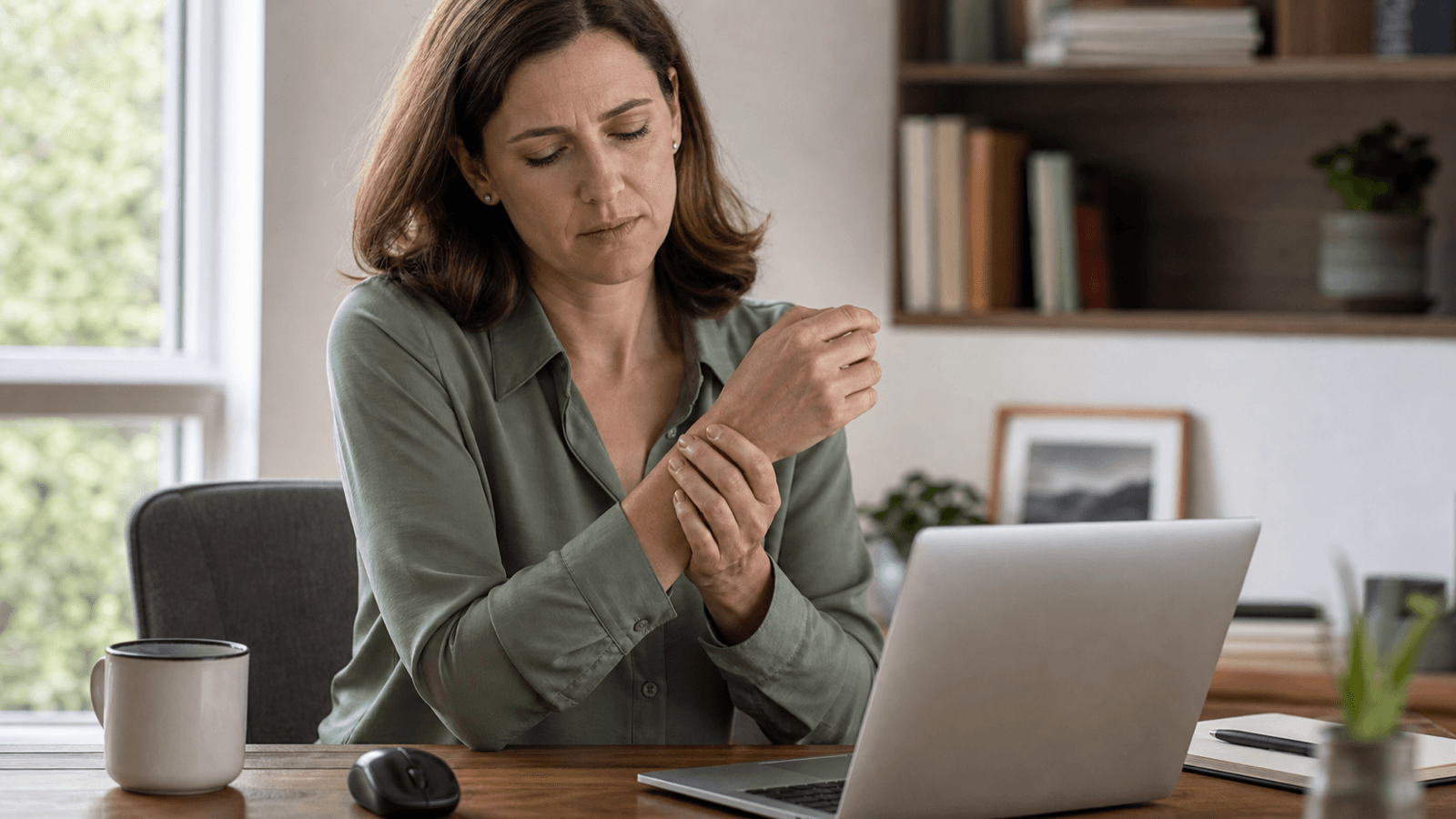
A carpal tunnel flare-up can turn a normal workday into a painful ordeal — and understanding what triggers it is the first step toward stopping it. Most flare-ups follow a predictable pattern: a triggering activity, an inflammatory response inside the carpal tunnel, and symptom escalation over 24-72 hours. Recognizing the pattern gives you a window to intervene before symptoms peak.
Last updated: April 2026
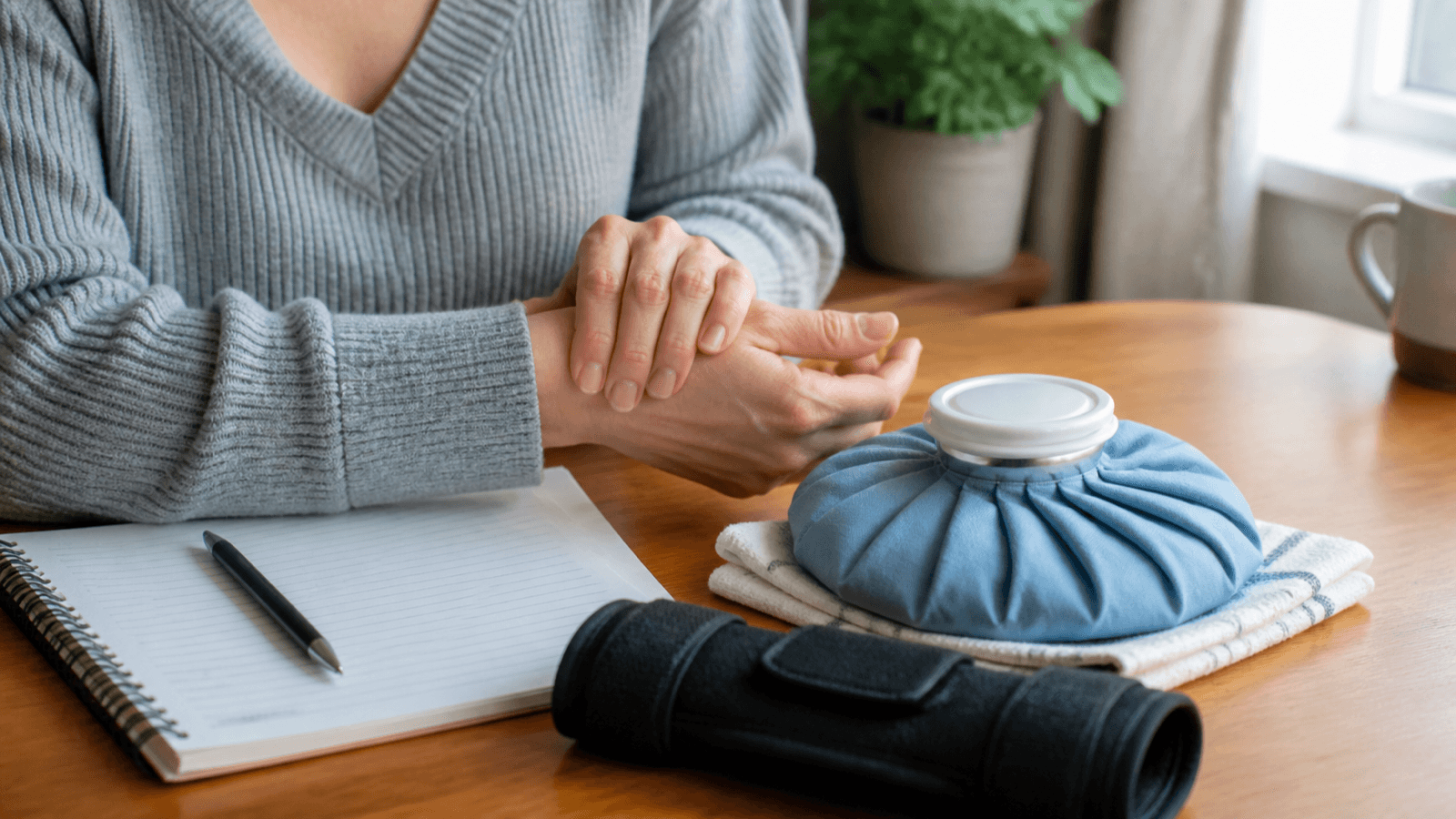
Table of Contents
- What Is a Carpal Tunnel Flare-Up?
- The Inflammatory Cascade: What Happens Inside the Carpal Tunnel
- Common Causes of Flare-Ups
- Lesser-Known Triggers That Often Go Unrecognized
- Immediate Treatment Options
- Advanced Treatment: When Basic Care Is Not Enough
- When to Seek Medical Attention
- Preventing Future Flare-Ups
- Lifestyle Factors That Influence Flare-Ups
- Managing Flare-Ups in the Workplace
- FAQs
- Sources & Methodology
What Is a Carpal Tunnel Flare-Up?
A flare-up is a temporary but significant worsening of carpal tunnel symptoms beyond your normal baseline. The median nerve inside your carpal tunnel becomes more compressed or more inflamed, reversing any improvement you had achieved. The result is an increase in pain, numbness, tingling, and weakness that may have been absent for weeks or months.
The critical distinction is that a flare-up is different from disease progression. Flare-ups are reactive — something causes them. Disease progression is the gradual worsening of the underlying condition regardless of activity. Both cause worsening symptoms, but flare-ups respond to specific interventions; disease progression requires a different treatment approach.
Most flare-ups peak within 48-72 hours of the triggering event and resolve gradually over 1-4 weeks with appropriate conservative care. The exception is when the trigger is ongoing — a poorly set up workstation, for example, creates a persistent low-grade irritation that prevents flare-up resolution.
Recognizing Your Personal Flare-Up Pattern
The latency between trigger and symptoms creates a diagnostic puzzle. A flare-up that begins on a Monday may have been triggered by activities over the weekend that the person doesn't associate with hand strain. Keeping a symptom diary for 2-4 weeks — noting activities, duration, and symptom severity — often reveals patterns that are invisible without systematic tracking.
The Inflammatory Cascade: What Happens Inside the Carpal Tunnel
Understanding what physically happens during a flare-up helps explain why certain treatments work and why others don't.
Phase 1: Mechanical Irritation (Trigger Event)
The trigger — repetitive loading, sustained posture, vibration — creates mechanical stress on the flexor tendons inside the carpal tunnel. This stress does not cause immediate pain in most cases. The body tolerates mechanical load well when it is intermittent and within tissue tolerance. Problems arise when the load is sustained or repetitive.
Phase 2: Inflammatory Response (Hours 6-48)
The body responds to mechanical stress with an inflammatory response: increased blood flow to the area, capillary permeability changes, and release of inflammatory mediators (prostaglandins, bradykinin, histamine) that increase pain sensitivity and draw fluid into the tissues.
In the carpal tunnel, this is a catastrophic sequence. The carpal tunnel is a closed space — fluid entering means pressure rises. The median nerve, which occupies roughly 25% of the tunnel's cross-sectional area, has no room to expand. Pressure inside the tunnel rises. The nerve compresses.
Phase 3: Nerve Dysfunction (Hours 24-72)
Compressed median nerve blood flow drops. Nerve conduction slows or stops. Numbness, tingling, and pain result. If the compression is brief, function returns when inflammation subsides. If compression is sustained, nerve damage accumulates.
Phase 4: Resolution or Chronicity
The body's natural resolution mechanisms (anti-inflammatory cytokines, fluid resorption, tissue repair) eventually reduce inflammation and restore function — if the mechanical trigger is removed. If the trigger persists, the cycle continues and can progress to chronic carpal tunnel syndrome, which no longer requires a specific trigger to maintain symptoms.
This cascade explains why NSAIDs are most effective when taken on a schedule (not as-needed) during a flare-up. They suppress the inflammatory cascade at its source, preventing each phase from amplifying the next. Taken only when pain peaks, they are fighting the fire after it has already spread.
Common Causes of Flare-Ups
Repetitive Hand Use Above Your Normal Threshold
Every wrist has a tolerance threshold for repetitive loading. When you exceed that threshold — a new project with heavy typing, a weekend of gardening, moving house — your flexor tendons inside the carpal tunnel inflame. Inflamed tendons swell. Swollen tendons compress the median nerve. The result is a flare-up 24-72 hours after the triggering activity.
The threshold is not fixed — it varies with your overall health status, your recent activity level, and whether you are already managing carpal tunnel symptoms. A person without carpal tunnel might type for 10 hours without symptoms; the same person with existing median nerve inflammation might trigger a flare-up with 2 hours of heavy keyboard use.
Sustained Awkward Wrist Postures
A single prolonged posture that bends your wrist in either direction can trigger a flare-up even without repetitive loading. Think of a long car journey with hands on the steering wheel at an angle, an overnight flight with wrists pressed against armrests, or a massage session where your hands were positioned awkwardly. Any sustained wrist position — even a neutral one — that compresses the carpal tunnel for more than a few hours can trigger inflammation.
The flight scenario is particularly dangerous for people with existing carpal tunnel vulnerability. The combination of wrist flexion (from armrest pressure), cabin pressure changes (which cause subtle fluid shifts), and sleep deprivation (cabin pressure also disrupts sleep) creates a perfect storm for in-flight or post-flight flare-ups. Wearing a wrist brace during flights longer than 2 hours is a simple preventive measure.
Vibration Exposure
Vibrating tools are among the most aggressive carpal tunnel triggers. Jackhammers, power sanders, routers, and even electric toothbrushes transmit vibration energy directly to the flexor tendons, causing microtrauma and subsequent inflammation. Workers who use vibrating tools regularly have significantly higher rates of carpal tunnel syndrome, according to research published by the National Institute for Occupational Safety and Health.
The mechanism is distinct from repetitive loading: vibration creates shear forces in the tendon tissue that damage the synovial lining — the smooth membrane that allows tendons to glide inside the carpal tunnel. Damaged synovium becomes inflamed and thickened. The tunnels that the tendons glide through narrow, increasing pressure on the median nerve.
The NIOSH exposure limit for hand-arm vibration is 5 meters/second² (m/s²) averaged over an 8-hour workday. Tools exceeding this threshold require specific administrative controls (limited exposure time, mandatory breaks) that go beyond general ergonomic advice.
Temperature Changes
Cold weather causes tendons and nerves to contract slightly. Some people experience a tightening sensation in their wrists during cold months that mimics or triggers carpal tunnel symptoms. Conversely, extreme heat can cause fluid retention throughout the body, increasing pressure inside the carpal tunnel. Both scenarios are common flare-up triggers in vulnerable individuals.
Cold-induced symptoms are particularly common in people who work outdoors in winter, people who exercise in cold conditions without adequate hand warmers, and people who wash dishes in cold water. Keeping hands warm is a simple but often overlooked preventive measure.
Lesser-Known Triggers That Often Go Unrecognized
Medication Side Effects
Certain medications cause fluid retention that can elevate carpal tunnel pressure. The most common culprits include:
- Estrogen and oral contraceptives — fluid retention is a known side effect
- NSAIDs — paradoxically, some people experience fluid retention as a reaction to NSAIDs
- Calcium channel blockers — used for hypertension; can cause peripheral edema
- Corticosteroids — long-term use affects fluid balance
If your carpal tunnel symptoms worsened after starting a new medication, consult your physician. The benefit of the medication may be worth the carpal tunnel trade-off, or a substitute medication may be available.
Dehydration and Alcohol
Both dehydration and alcohol consumption reduce the body's ability to clear inflammatory mediators. A night of heavy drinking followed by a morning with severe carpal tunnel symptoms is a common scenario — the alcohol disrupted sleep quality (increasing inflammation) and the dehydration concentrated inflammatory substances in the soft tissues.
Pregnancy-Related Hormone Fluctuations
Pregnancy-related carpal tunnel syndrome affects up to 62% of pregnant women according to some clinical studies, driven by fluid retention and hormonal changes that soften connective tissue. Most pregnancy-related cases resolve within weeks of delivery, but some persist and require treatment.
The hormonal component is often underestimated. Relaxin and progesterone — hormones that loosen pelvic ligaments during pregnancy — also loosen connective tissue in the wrist, softening the flexor retinaculum and narrowing the carpal tunnel. For women who had carpal tunnel during pregnancy, each subsequent pregnancy carries a higher risk of recurrence, and the severity tends to increase with each pregnancy.
Dietary Triggers
High-sodium diets cause fluid retention throughout the body, including the carpal tunnel. Processed foods, restaurant meals, and certain medications can cause sodium-driven inflammation that elevates carpal tunnel pressure. A single high-salt meal is unlikely to trigger symptoms, but a pattern of high sodium intake over days to weeks can create a low-grade inflammatory environment.
Sugar and refined carbohydrates elevate systemic inflammation through advanced glycation end products (AGEs). While this mechanism is most clinically significant in diabetic patients, non-diabetic individuals who consume high-sugar diets also experience elevated baseline inflammatory markers that lower their flare-up threshold.
Immediate Treatment Options
Step 1: Remove the Trigger (If Identifiable)
The first line of treatment is identifying and removing whatever provoked the flare-up. If it was a new activity, stop that activity immediately. If the trigger is your workstation, fix it. If it was a long drive, adjust your hand position. Without trigger removal, all other treatments are fighting against a persistent irritant.
This sounds obvious, but in practice it requires honest self-assessment. Did you spend the weekend moving furniture? That gardening project you've been planning? The new keyboard you just installed? Identifying and removing the trigger is the most important step — more important than any specific treatment.
Step 2: Immobilize With a Neutral Wrist Brace
A wrist brace that holds your wrist in a neutral position (neither bent up nor down) removes the flexion compression that occurs during sleep and reduces mechanical stress on the flexor tendons during the day. The brace should be worn during sleep and, for active flare-ups, during the daytime as well.
Neutral-position bracing is preferred over flexion or extension splinting by most hand therapists. It maintains the carpal tunnel in its widest configuration, allowing maximum space for the median nerve. A rigid splint (not a soft elastic bandage) is necessary — soft braces provide compression without true immobilization.
Brace wear should be consistent for at least 2-3 weeks during an active flare-up. Removing the brace at night is when most people reinjure themselves — unconscious wrist flexion during sleep can be the single biggest source of ongoing compression.
Step 3: Apply Cold Therapy
Apply an ice pack wrapped in a thin towel to the wrist for 15-20 minutes every 2-3 hours during the first 48 hours of a flare-up. Cold reduces blood flow to inflamed tissue, decreasing swelling and numbing pain receptors. Never apply ice directly to bare skin — the thermal injury can damage the palmar cutaneous branch of the median nerve.
Timing matters: apply cold after periods of activity (end of a work session, after exercising) rather than during rest. The inflammation builds during activity, and cold afterward helps cap the inflammatory response before it peaks.
Step 4: Elevate the Wrist
Keep your wrist elevated above heart level whenever possible during the first 48 hours. Gravity helps drain inflammatory fluid away from the carpal tunnel, reducing pressure on the median nerve. Prop your arm on pillows when sitting, and avoid hanging your wrist down for extended periods.
This is particularly important during work if your job requires your hands to be at desk level. A wireless keyboard tray that allows you to keep your wrist elevated, or a standing desk used briefly to lift the arm above heart level, provides meaningful benefit.
Step 5: Anti-Inflammatory Measures
Over-the-counter NSAIDs (ibuprofen, naproxen) reduce the inflammatory cascade driving the flare-up. Take them on schedule — not just when pain peaks — for the first 48-72 hours. Consistent dosing maintains therapeutic blood levels that suppress inflammation rather than simply masking pain.
For ibuprofen, 400-600mg every 6 hours is the typical OTC dosing for inflammation. For naproxen, 220-440mg every 12 hours. Both should be taken with food to reduce gastrointestinal side effects. If you have any kidney, liver, or stomach issues, consult your physician before using NSAIDs regularly.
Topical anti-inflammatory gels (diclofenac sodium gel) applied to the wrist crease area provide local anti-inflammatory effect with minimal systemic absorption. These are particularly useful for people who cannot tolerate oral NSAIDs.
Step 6: Gentle Nerve Gliding Exercises
Once the acute inflammatory phase (first 48-72 hours) has passed, gentle median nerve gliding exercises can help restore nerve mobility and prevent adhesion formation inside the carpal tunnel. These exercises should be pain-free — if any movement causes sharp tingling or numbness, stop immediately.
Median nerve glide sequence:
- Start with wrist in neutral, fingers and thumb in a relaxed fist
- Open the hand slowly, extending all fingers and thumb fully
- Gently tilt your head away from the affected side as you extend
- Hold at full extension for 2 seconds
- Return to neutral fist and neutral head position
- Repeat 8-10 times, 3 times daily
Step 7: Contrast Therapy (After Acute Phase)
After the first 48-72 hours of cold therapy, some people benefit from contrast therapy — alternating cold and heat to create a pumping action that moves fluid in and out of the inflamed area.
Contrast protocol:
- 3 minutes cold (wrapped ice pack)
- 1 minute heat (warm towel or warm water immersion)
- 3 minutes cold
- 1 minute heat
- 3 minutes cold
This sequence creates a flushing action: heat dilates vessels to draw fluid in, cold constricts to push fluid out. The result is improved circulation and reduced local edema. Do not use this protocol during the first 48 hours of acute inflammation — heat increases swelling during the active inflammatory phase.
Advanced Treatment: When Basic Care Is Not Enough
Corticosteroid Injection
If a flare-up does not respond to 2 weeks of consistent conservative care (bracing, NSAIDs, activity modification), a corticosteroid injection into the carpal tunnel may be appropriate.
The injection delivers a potent anti-inflammatory steroid directly into the carpal tunnel. The goal is to reduce inflammation rapidly enough to break the cycle: inflammation causes compression, compression causes more inflammation, more inflammation causes more compression.
The injection provides relief within 48-72 hours in most responders. Duration of benefit varies: some people have 3-6 months of relief; others have 4-8 weeks. The injection is not a cure — it is a tool to manage the acute inflammatory episode and buy time for conservative measures to take effect.
What to expect during the procedure:
- The hand is cleaned with antiseptic
- Local anesthetic is injected at the injection site (not inside the carpal tunnel, to avoid distorting anatomy)
- The steroid solution is injected through the flexor retinaculum into the carpal tunnel
- The hand is bandaged and elevated
The injection can be performed in a physician's office. Soreness at the injection site for 24-48 hours is normal; relief of carpal tunnel symptoms typically begins 2-5 days after the procedure.
Prescription Anti-Inflammatory Medication
If OTC NSAIDs are insufficient, prescription-strength anti-inflammatory medications may be appropriate. These are particularly useful for people who cannot use NSAIDs due to stomach sensitivity but have no contraindication to other anti-inflammatory approaches.
Referral to Hand Surgery
Flare-ups that do not respond to conservative care and injection within 4-6 weeks, or that recur frequently (more than 3 times per year), warrant a referral to a hand surgeon for evaluation for carpal tunnel release surgery. Surgery is the only definitive treatment for carpal tunnel syndrome — it does not just manage inflammation, it eliminates the source of compression by cutting the flexor retinaculum.
When to Seek Medical Attention
Some flare-ups resolve with conservative care at home. Others require professional intervention. Seek medical evaluation if:
Symptoms do not improve within two weeks despite consistent rest, bracing, and NSAIDs. Delayed improvement suggests persistent compression that requires more targeted treatment.
Numbness becomes constant rather than intermittent. Intermittent numbness is a compression symptom. Constant numbness suggests nerve damage that risks becoming permanent if left untreated.
Grip strength deteriorates noticeably. Difficulty opening jars, dropping objects, or losing pinch strength are signs of motor nerve involvement that warrants urgent evaluation.
Pain wakes you from sleep more than twice per night. Sleep disruption from carpal tunnel pain indicates significant compression severity — at this level, the risk of permanent nerve damage increases.
You have thenar atrophy (wasting at the base of the thumb). Visible muscle wasting is a late sign of prolonged median nerve compression and requires urgent surgical evaluation.
You experience symptoms in both hands simultaneously with progressive worsening. This may indicate bilateral carpal tunnel with systemic cause (diabetes, rheumatoid arthritis, hypothyroidism) that requires medical management of the underlying condition in addition to local carpal tunnel treatment.
A hand surgeon or orthopedic specialist can confirm whether the carpal tunnel is the source of your symptoms and whether more aggressive treatment — corticosteroid injection or surgical release — is warranted.
Preventing Future Flare-Ups
Ergonomic Workstation Correction
Flare-up prevention begins at your desk. The most common trigger for recurrent carpal tunnel symptoms is a poorly configured workstation. Ensure your monitor is at eye level, your keyboard is at or slightly below elbow height, and your wrists stay neutral while typing. Consider a negative-tilt keyboard tray to achieve the ideal wrist angle.
The investment in proper ergonomic equipment is modest relative to the cost — in time, pain, and potentially surgery — of recurrent flare-ups. A monitor arm, keyboard tray, and ergonomic mouse together cost $150-400 and can eliminate the most common trigger for office worker flare-ups.
Scheduled Microbreaks
The single most effective behavioral change for preventing flare-ups is regular microbreaks. Set a timer to take a 2-3 minute break every 30-45 minutes during repetitive work. During the break, perform gentle wrist circles and finger spreads — these movements pump synovial fluid through the tendon sheaths and maintain nerve mobility.
The 30-45 minute interval is not arbitrary: after 30 minutes of uninterrupted typing, the synovial fluid in the tendon sheaths becomes static. Static fluid allows fibrin deposits to accumulate, which eventually form adhesions between tendons and their sheaths. These adhesions restrict tendon gliding and increase pressure inside the carpal tunnel. Brief movements restart fluid circulation before this happens.
Night Bracing as a Habit
If you have carpal tunnel syndrome, night bracing should be a permanent habit — not just during flare-ups. A wrist brace worn during sleep prevents the flexion posture that aggravates the median nerve for 6-8 hours every night. Most people who experience morning hand numbness and tingling see significant improvement simply from consistent night bracing.
This is one of the highest-yield preventive measures available and one of the most consistently neglected. The habit is simple: put on the brace before bed, take it off in the morning. The benefit — reduced morning symptoms, better nerve recovery overnight — compounds over time.
Activity Modification
Identify the specific activities that trigger your flare-ups and modify them. If gardening causes symptoms, use ergonomic tools with larger grips and padded handles. If gaming triggers pain, use a vertical mouse and take breaks between sessions. No lifestyle change needs to be absolute — small modifications in grip, posture, and duration make the difference.
The concept of "relative rest" is useful here: you don't have to stop the activity entirely; you just need to reduce the mechanical load to below your individual threshold. If you can do 30 minutes of gardening without symptoms but 45 minutes triggers a flare-up, limit sessions to 30 minutes with a break in between.
Anti-Inflammatory Diet
A diet rich in omega-3 fatty acids (fatty fish, walnuts, flaxseed), colorful vegetables, and whole fruits provides the building blocks for resolving inflammation. Reduce refined carbohydrates, processed meats, and excess alcohol, all of which promote systemic inflammation. Even modest dietary improvements can reduce flare-up frequency in susceptible individuals.
The anti-inflammatory diet also supports weight management, which reduces the mechanical load on your wrists. Every pound of body weight translates to approximately 4 pounds of force on the wrists during pushing activities. Weight loss of even 10-15 pounds meaningfully reduces wrist load during daily activities.
Lifestyle Factors That Influence Flare-Ups
Smoking and Nicotine
Nicotine constricts blood vessels, reducing blood flow to the median nerve and the flexor tendons inside the carpal tunnel. Reduced blood flow impairs the healing response and prolongs inflammatory episodes. Smokers have longer recovery times from carpal tunnel release surgery and higher recurrence rates.
Smoking also increases muscle tension throughout the body, including in the forearm flexor muscles. Tense forearm muscles compress the carpal tunnel from below, adding to the mechanical load on the median nerve.
Hydration Status
Chronic mild dehydration concentrates inflammatory mediators in soft tissues, lowering the threshold for flare-up triggers. Adequate hydration (8 glasses of water daily minimum for most adults) supports tendon health and nerve function.
The signs of inadequate hydration include: dark urine, fatigue, headaches, and dry skin. If you are not drinking enough water, your body prioritizes water to vital organs and away from peripheral tissues — including the tendons in your wrists.
Sleep Quality
Poor sleep quality amplifies pain perception and suppresses the inflammatory resolution mechanisms that end flare-ups naturally. Addressing sleep apnea, reducing evening screen time, and maintaining consistent sleep schedules all contribute to faster flare-up recovery.
Sleep is when the body performs maintenance functions — tissue repair, inflammation resolution, hormone regulation. If your sleep is disrupted, these processes are interrupted. People with carpal tunnel and concurrent sleep disorders (sleep apnea is particularly common in people with diabetes) experience more severe carpal tunnel symptoms and slower recovery.
Stress and Anxiety
Psychological stress elevates cortisol, which in turn promotes systemic inflammation. People with high chronic stress report more frequent and more severe carpal tunnel flare-ups than those with comparable physical risk factors but lower stress levels.
Stress also causes behavioral changes: clenching fists, adopting tense postures, grinding teeth — all of which increase forearm muscle tension and carpal tunnel pressure. The muscle tension from stress can create carpal tunnel symptoms even in the absence of mechanical triggers.
Managing Flare-Ups in the Workplace
If you develop a flare-up while employed, there are practical steps to manage symptoms without taking extended time off work.
Communicate with your employer. Most countries' disability accommodation laws require employers to provide reasonable accommodations for employees with medical conditions. Requesting a temporary ergonomic assessment and equipment modification is a reasonable accommodation for carpal tunnel flare-ups.
Use a wrist brace during work hours. Wearing a brace during typing prevents the wrist flexion that maintains the flare-up cycle. Most people find they can type effectively with a rigid wrist brace after a brief adaptation period.
Break tasks into smaller units. Instead of marathon typing sessions, break your work into 25-30 minute blocks with 5-minute breaks. Use the break time for gentle hand exercises and wrist circles.
Use voice-to-text software temporarily. Dragon NaturallySpeaking, macOS Voice Control, and similar tools can reduce typing demands during the acute phase of a flare-up. The goal is to reduce mechanical provocation while maintaining productivity.
Elevate when possible. During phone calls or tasks that don't require typing, keep your wrist elevated on an armrest or desk. A wireless keyboard allows you to type from a position where your arm is elevated rather than hanging down.
FAQs
What triggers a carpal tunnel flare-up?
Carpal tunnel flare-ups are triggered by anything that increases pressure inside the carpal tunnel or inflames the median nerve. Common triggers include repetitive hand use, sustained awkward wrist positions, vibration exposure, temperature changes, pregnancy, fluid retention, and systemic inflammation from illness or diet.
How long does a carpal tunnel flare-up last?
A mild flare-up may resolve within days with rest and conservative care. Moderate to severe flare-ups can last 2-6 weeks. Flare-ups that do not improve within two weeks despite conservative treatment should be evaluated by a hand specialist.
Can a flare-up resolve on its own without treatment?
Mild flare-ups triggered by short-term overuse sometimes resolve spontaneously within 1-2 weeks if the triggering activity is discontinued. However, most flare-ups improve faster and more completely with conservative treatment, and leaving them unaddressed risks progressive nerve damage.
Should I keep typing during a carpal tunnel flare-up?
Ideally, reduce or eliminate the provocative activity during a flare-up. If complete rest is not possible, use a wrist brace, take more frequent breaks, and consider voice-to-text software to reduce typing volume. Continuing the triggering activity prolongs the flare-up.
Is heat or cold better for a carpal tunnel flare-up?
Cold therapy is preferred during the acute inflammatory phase (first 48-72 hours). Heat dilates blood vessels and can increase swelling in an already-inflamed carpal tunnel. After the acute phase, some people find gentle warmth (warm towels, warm water hand baths) helps stiff morning wrists — but only after swelling has subsided.
Can diet cause carpal tunnel flare-ups?
Yes, indirectly. A high-sodium diet causes fluid retention, which increases pressure inside the carpal tunnel. Processed foods, excess alcohol, and refined carbohydrates promote systemic inflammation. Making dietary changes alongside ergonomic corrections often reduces flare-up frequency.
How do I tell the difference between a carpal tunnel flare-up and arthritis?
Carpal tunnel primarily affects sensation (numbness, tingling, burning) in the thumb, index, middle, and half of ring finger supplied by the median nerve. Arthritis typically causes joint pain, stiffness, and swelling in specific knuckles and finger joints, often with visible redness or warmth. An EMG nerve conduction study by a neurologist distinguishes between the two definitively.
Can stress cause a carpal tunnel flare-up?
Indirectly, yes. Stress elevates cortisol, which promotes systemic inflammation. It also causes people to clench their jaw and fists, shortening the flexor muscles in the forearms and increasing pressure on the median nerve. Stress management techniques (deep breathing, meditation, progressive muscle relaxation) can reduce flare-up frequency.
Sources & Methodology
- American Academy of Orthopaedic Surgeons. "Carpal Tunnel Syndrome — Patient Education." aaos.org. 2025.
- National Institute for Occupational Safety and Health (NIOSH). "Work-Related Musculoskeletal Disorders — Vibration Effects." cdc.gov/niosh. 2024.
- Padua, L. et al. "Natural history of carpal tunnel syndrome: A systematic review." Neurologica. 2020.
- Cleveland Clinic. "Carpal Tunnel Syndrome: Causes, Symptoms, Treatment." my.clevelandclinic.org. 2025.
- Mayo Clinic. "Carpal Tunnel Syndrome — Diagnosis and Treatment." mayoclinic.org. 2025.
- American Academy of Orthopaedic Surgeons. "Management of Carpal Tunnel Syndrome — Clinical Practice Guidelines." aaos.org. 2024.
Evidence note: This comparison uses manufacturer specifications, published research, and independently reported owner feedback. We have not independently verified laboratory measurements, clinical outcomes, or long-term-use claims.
Last updated: April 2026