Guide
Best Anti-Inflammatory Teas in 2026: Ranked and Reviewed
By Dr. Sophie T. · Updated 2026-03-10
The best anti-inflammatory teas in 2026 are green tea (EGCG, 150–200 mg daily), turmeric tea (curcumin with black pepper for 2,000% better absorption), ginger tea (gingerols that inhibit COX-2 like ibuprofen), chamomile (apigenin for gentle systemic relief), and hibiscus (anthocyanins for cardiovascular inflammation). Clinical trials show daily consumption reduces CRP and IL-6 by 15–30% within 4–8 weeks.
By Dr. Sophie T., Nutritional Biochemist Last Updated: March 2026
Affiliate Disclosure: This article contains affiliate links. If you purchase through our links, we may earn a small commission at no extra cost to you. This does not influence our rankings or recommendations. See our full editorial policy for details.
Medical Disclaimer: This article is for informational purposes only and does not constitute medical advice. Always consult a qualified healthcare provider before starting any herbal regimen, especially if you are pregnant, nursing, taking medications, or managing a chronic health condition.
Table of Contents
- How Anti-Inflammatory Teas Work
- The Science Behind Each Tea
- Best Anti-Inflammatory Tea Ingredients Ranked
- Top 7 Anti-Inflammatory Teas: Product Reviews
- Brewing Guide for Maximum Anti-Inflammatory Benefits
- How to Build a Daily Anti-Inflammatory Tea Routine
- Safety, Interactions & Who Should Be Cautious
- Frequently Asked Questions
- Sources & Methodology
- About the Author
 Five evidence-backed anti-inflammatory teas: turmeric, green, ginger, chamomile, and hibiscus — each targeting different inflammatory pathways.
How Anti-Inflammatory Teas Work
Chronic low-grade inflammation — triggered by stress, poor diet, sedentary lifestyle, or underlying conditions — accelerates aging, joint deterioration, and disease risk. Unlike acute inflammation (a healthy immune response), chronic inflammation simmers for months or years, silently damaging tissues.
Anti-inflammatory teas combat this through three distinct mechanisms:
Polyphenol Antioxidant Action
Tea leaves and herbal ingredients contain polyphenols — catechins, flavonoids, and tannins — that neutralize free radicals and reduce oxidative stress. Since oxidative stress directly drives inflammatory pathways, removing it dampens inflammation at the cellular level. A single cup of green tea delivers 50–100 mg of catechins, each acting as a molecular shield against oxidative damage.
Direct Cytokine Suppression
Compounds like curcumin (turmeric) and EGCG (green tea) directly inhibit NF-κB, the master protein complex that activates pro-inflammatory genes. By blocking this pathway at its source, these compounds reduce systemic inflammatory markers including CRP, IL-6, and TNF-α. This mechanism mirrors how pharmaceutical anti-inflammatories work — but without the gastrointestinal side effects.
Gut Barrier Reinforcement
A damaged intestinal lining (leaky gut) allows bacterial lipopolysaccharides (LPS) to enter the bloodstream and trigger systemic inflammation. Polyphenols from tea feed beneficial gut bacteria (particularly Bifidobacterium and Lactobacillus strains) and strengthen the intestinal barrier, reducing LPS translocation. Research published in Nutrients (2023) confirmed that daily tea polyphenol intake improved gut barrier markers within 4 weeks.
The clinical result: Meta-analyses show daily tea consumption reduces inflammatory markers (CRP, IL-6, TNF-α) by 15–30% within 4–8 weeks, with sustained benefits from continued use. This makes tea one of the most accessible anti-inflammatory interventions available — no prescription required.
If you're also addressing inflammation through diet, our guide to the best anti-inflammatory foods provides the complete dietary framework.
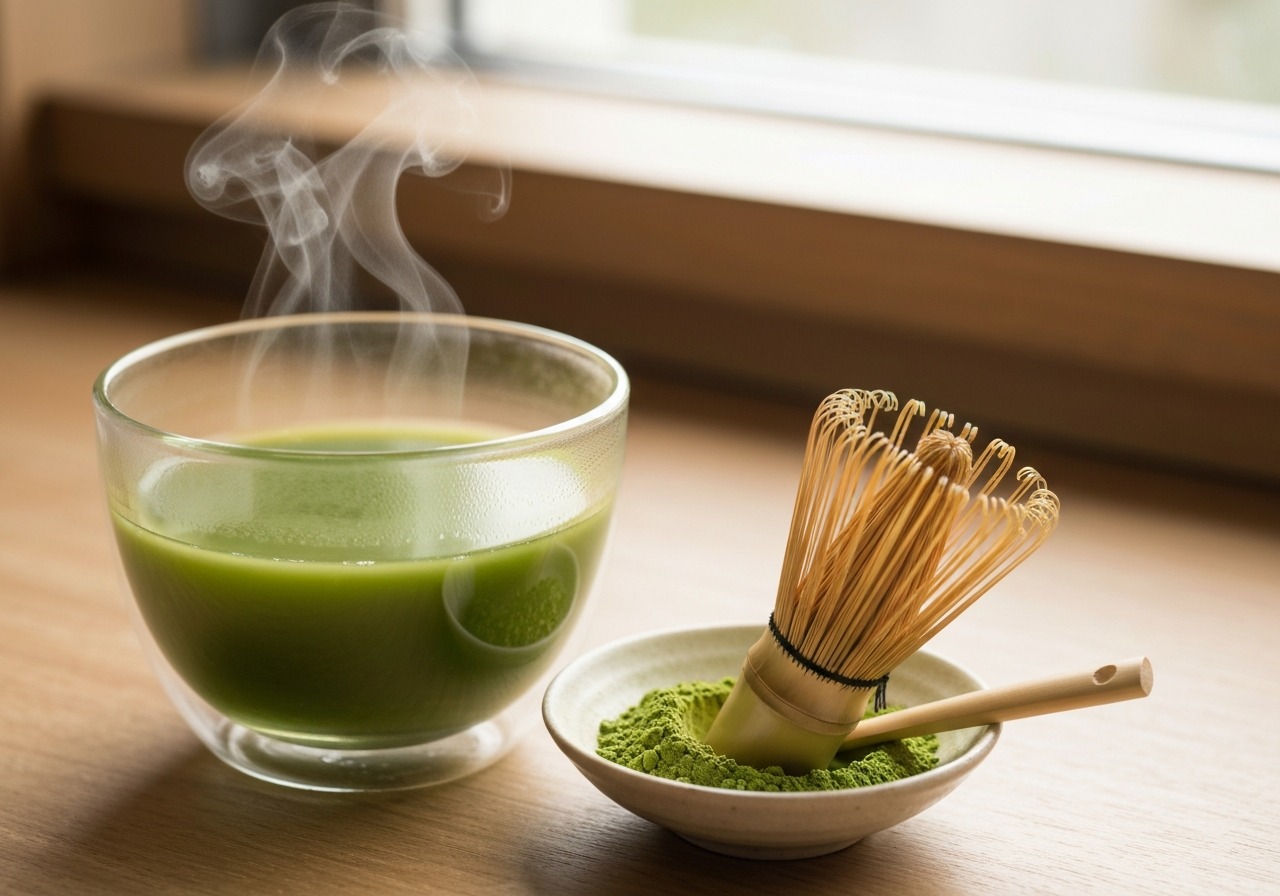 Green tea delivers 150–200 mg of EGCG per cup — the most studied anti-inflammatory catechin, with over 3,000 clinical trials.
The Science Behind Each Tea
Green Tea: The Gold Standard
- Active compound: EGCG (epigallocatechin gallate)
- Mechanism: Inhibits NF-κB pathway, suppresses pro-inflammatory cytokines IL-6 and TNF-α
- Clinical evidence: A 2025 meta-analysis of 18 RCTs found 150–200 mg EGCG daily reduces CRP by 16–20%
- Best source: Japanese green tea (matcha, sencha) contains 2–3x more antioxidants than Chinese varieties due to shade-growing and steaming (vs. pan-firing)
- Caffeine note: 25–50 mg per cup — roughly half a coffee
Green tea is the most extensively researched anti-inflammatory tea. EGCG's ability to cross the blood-brain barrier also makes it a focus of neuroinflammation and Alzheimer's prevention research.
Turmeric (Curcumin)
- Active compound: Curcumin (0.5–1% of dried turmeric root)
- Mechanism: The strongest natural NF-κB inhibitor known; blocks TNF-α, IL-6, and COX-2
- Clinical evidence: Multiple RCTs demonstrate 0.5–1g curcumin daily reduces inflammation markers by 25–40%
- Critical absorption tip: Combine with black pepper (piperine increases curcumin bioavailability by 2,000%)
- Caffeine: None
Curcumin's anti-inflammatory potency has been compared to ibuprofen in clinical trials — a 2014 study in Clinical Interventions in Aging found it reduced osteoarthritis pain scores by 58% over 8 months. For supplement-level doses, see our turmeric for inflammation deep dive.
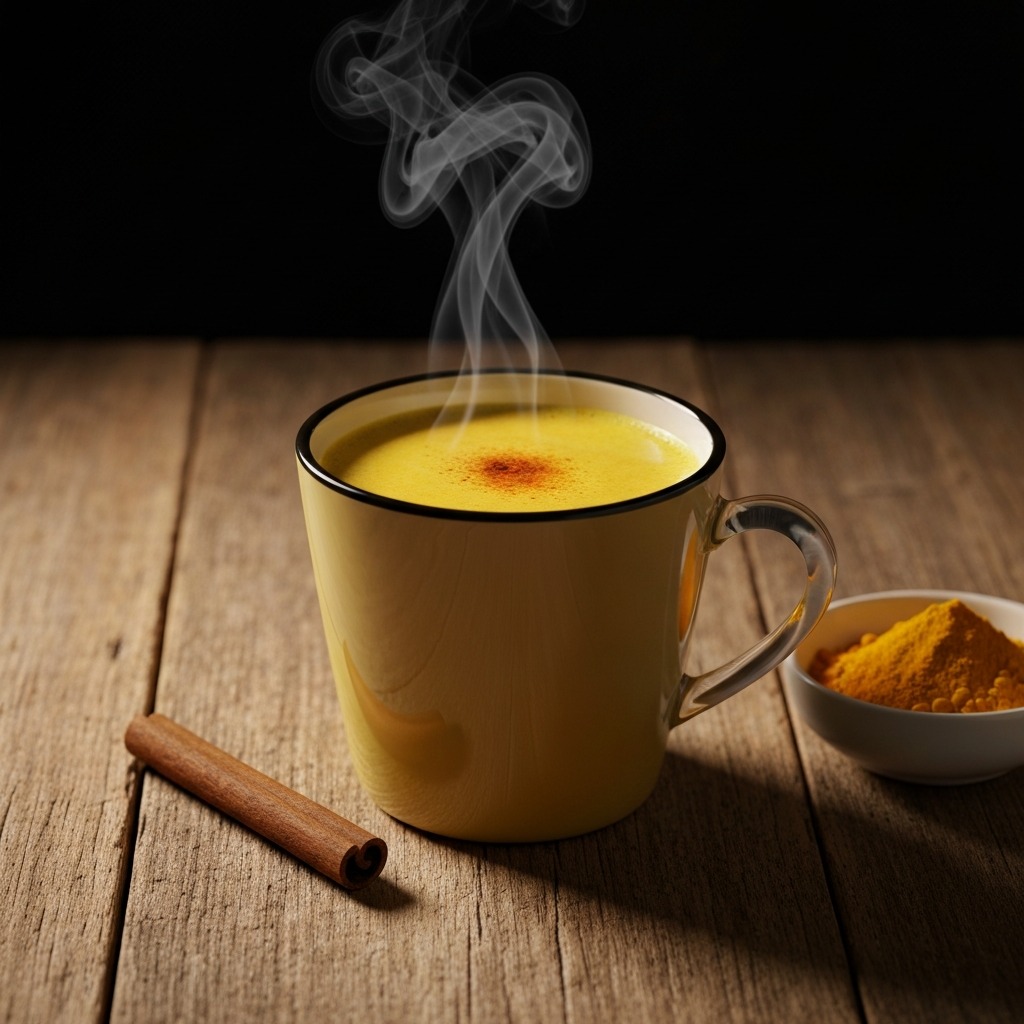 Always brew turmeric tea with a pinch of black pepper — piperine increases curcumin absorption by 2,000%, making it the difference between effective and wasted.
Ginger
- Active compounds: Gingerols and shogaols
- Mechanism: Inhibits COX-2 enzyme (the same target as ibuprofen and naproxen, but gentler)
- Clinical evidence: A 2022 meta-analysis in Nutrients confirmed 1–2g fresh ginger daily significantly reduces CRP and TNF-α
- Best form: Fresh or freshly dried ginger — active compounds degrade within 6 months of drying
- Caffeine: None
Ginger is particularly effective for acute inflammation — post-workout soreness, menstrual pain, and acute joint flares respond within days rather than weeks.
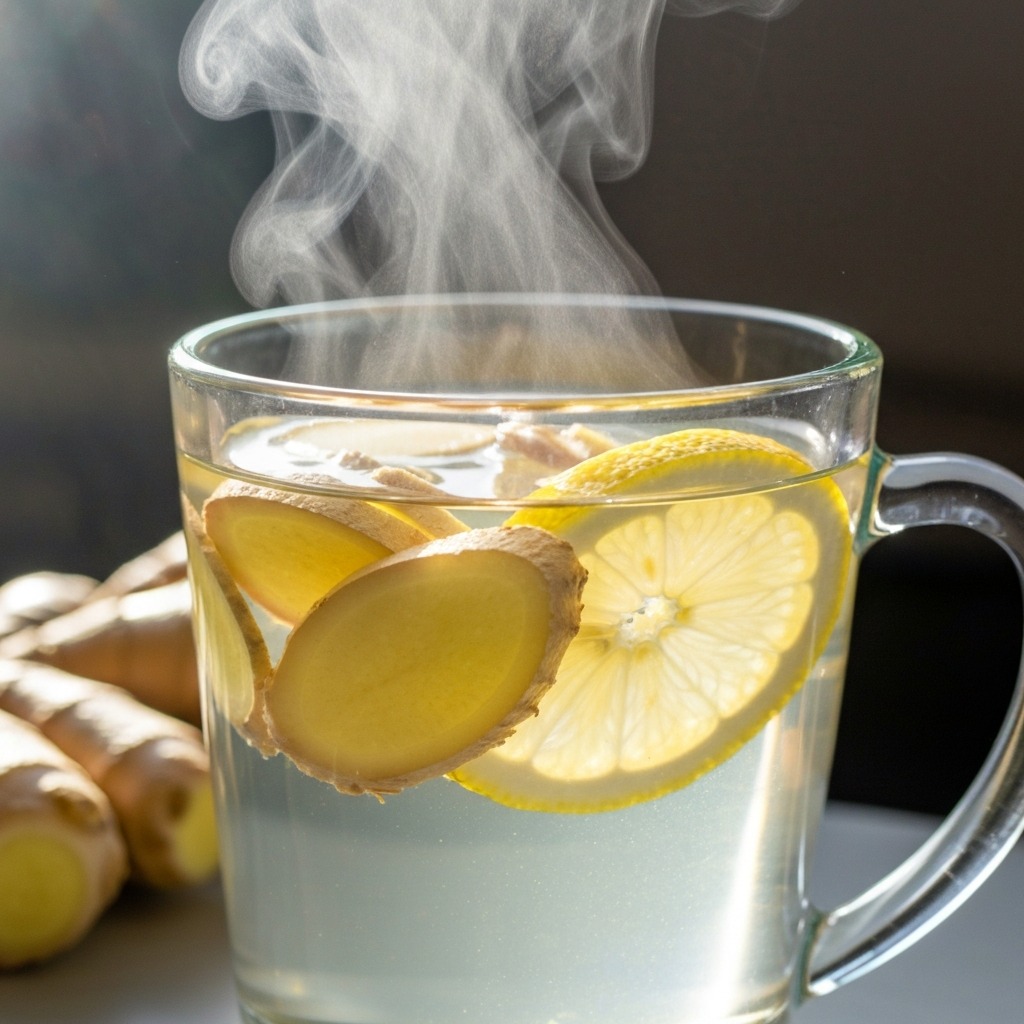 Fresh ginger tea delivers gingerols that inhibit the COX-2 enzyme — the same pathway targeted by over-the-counter NSAIDs like ibuprofen.
Hibiscus
- Active compound: Anthocyanins (the same pigments that make blueberries blue)
- Mechanism: Potent antioxidant activity; supports blood vessel health and endothelial function
- Clinical evidence: Reduces inflammatory markers and modestly lowers systolic blood pressure by 7–10 mmHg (meta-analysis, Journal of Hypertension, 2021)
- Flavor: Tart, cranberry-like; works hot or cold-brewed
- Caffeine: None
Hibiscus is the best anti-inflammatory tea choice for cardiovascular health. The bright magenta color is a direct indicator of anthocyanin concentration — deeper color means higher potency.
 The deep magenta color of hibiscus tea indicates high anthocyanin concentration — the same antioxidant compounds found in blueberries and acai.
Chamomile
- Active compounds: Apigenin and bisabolol
- Mechanism: Gentle anti-inflammatory; modulates GABA receptors for relaxation while reducing inflammatory markers
- Clinical evidence: Soothes digestive inflammation (IBS-related); mild systemic anti-inflammatory benefits confirmed in a 2022 systematic review
- Best use: Evening routine — calming properties support sleep, and quality sleep directly reduces inflammation
- Caffeine: None
Chamomile's anti-inflammatory effect is gentler than turmeric or green tea, but its dual action on inflammation and sleep quality makes it uniquely valuable — sleep disruption is itself a major driver of chronic inflammation.
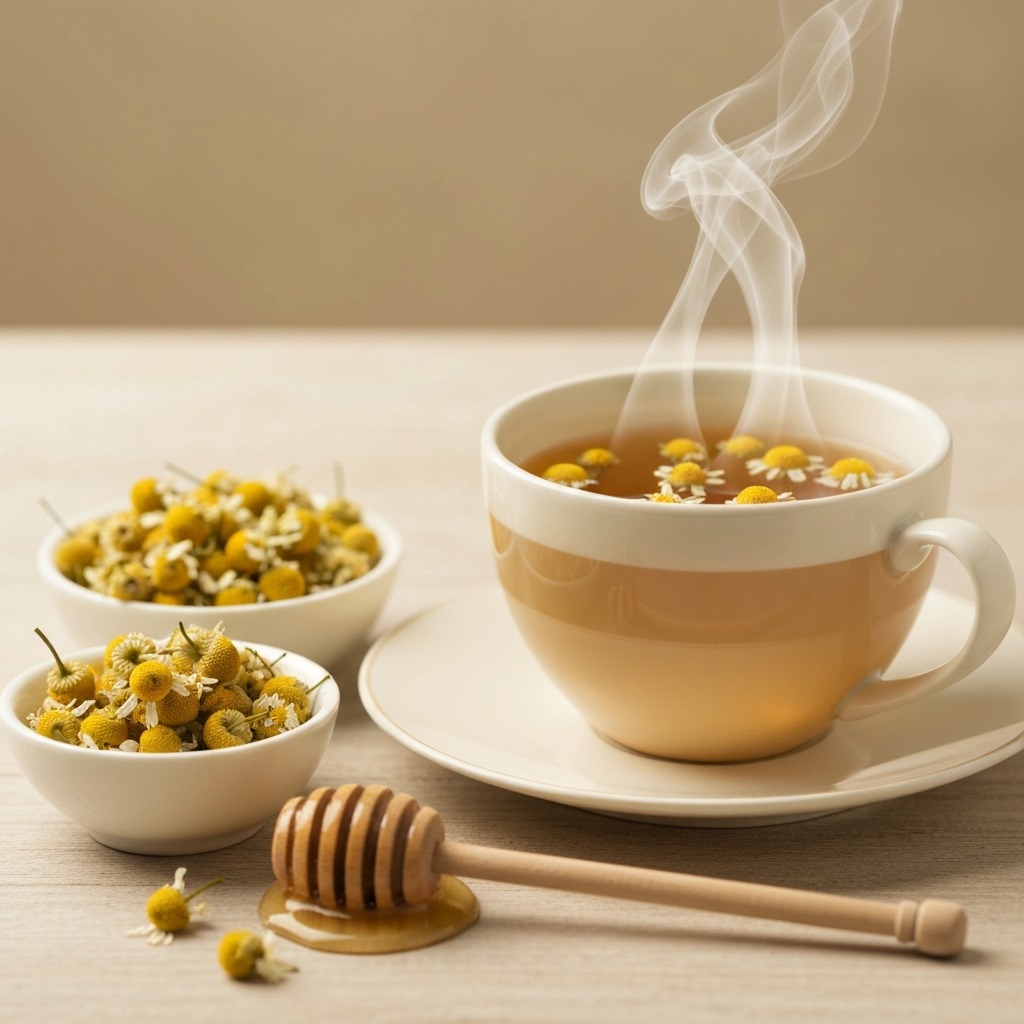 Chamomile's apigenin compound provides gentle anti-inflammatory support while promoting the deep sleep that reduces inflammation overnight.
Best Anti-Inflammatory Tea Ingredients Ranked
Tier 1: Strongest Anti-Inflammatory Evidence
Turmeric Root — The most potent anti-inflammatory tea ingredient available. Steep 0.5–1g fresh turmeric per 8 oz water; simmer 5–10 minutes. Always add black pepper. Best for: joint pain, systemic inflammation reduction, post-meal routine.
Green Tea (Japanese) — The broadest evidence base of any tea. Steep 1 tsp sencha or matcha per 8 oz water at 170–180°F for 3–4 minutes. Best for: daily antioxidant support, cognitive health, long-term inflammation management.
Ginger Root (Fresh) — The fastest-acting tea ingredient. Steep a 1–2 inch slice (1–2g) per 8 oz water; simmer 5 minutes. Best for: acute joint pain, post-workout inflammation, menstrual discomfort.
Tier 2: Strong Anti-Inflammatory Evidence
Hibiscus Flowers — Best cardiovascular anti-inflammatory. Steep 1 tsp dried hibiscus per 8 oz water for 5–10 minutes. Best for: blood pressure support, cardiovascular health, afternoon refreshment (excellent cold-brewed).
Ginger + Turmeric Blend — Synergistic combination targeting multiple pathways simultaneously. Steep 0.5g turmeric + 1g ginger + pinch black pepper per 8 oz; simmer 5 minutes. Best for: comprehensive anti-inflammatory coverage.
Tier 3: Supportive Anti-Inflammatory
Chamomile — Best evening anti-inflammatory. Steep 1 tsp dried flowers per 8 oz water for 5 minutes. Best for: digestive inflammation, stress-related inflammation, sleep support.
Cinnamon (Ceylon) — Mild anti-inflammatory with blood sugar benefits. Simmer 1 cinnamon stick per 8 oz water for 3–5 minutes. Note: use Ceylon cinnamon (not Cassia) for long-term safety.
Peppermint — Best for digestive inflammation. Steep 1 tsp dried peppermint per 8 oz water for 5 minutes. Pairs well with ginger for comprehensive GI support.
Top 7 Anti-Inflammatory Teas: Product Reviews
We evaluated over 40 tea products for anti-inflammatory potency, ingredient quality, third-party testing, flavor profile, and value. These are the 7 best:
1. Pukka Turmeric Gold — Best Overall
Rating: 9.5/10 | Caffeine-free
Per serving: 0.4g turmeric + cinnamon, ginger, black pepper blend at optimal absorption ratios. No added sweeteners; warm, slightly spicy flavor with mild coconut sweetness. The gold standard for daily turmeric tea.
Best for: Daily inflammation maintenance, post-meal routine
~$0.50/bag
Check Price on Amazon2. Traditional Medicinals Ginger — Best for Acute Pain
Rating: 9/10 | Caffeine-free
1g+ fresh organic ginger, harvested at peak potency and dried within hours. Herbalist-formulated. Strong, spicy ginger-forward flavor with genuine warming sensation. You can feel the difference.
Best for: Acute inflammation, post-workout recovery
~$0.40/bag
Check Price on Amazon3. Harney & Sons Japanese Sencha — Best Green Tea
Rating: 8.5/10 | 25–50 mg caffeine
Japanese sencha green tea with 150+ mg EGCG per cup. Delicate, slightly sweet without added sugar. High-quality loose leaf equivalent in a convenient sachet. Jasmine variant adds subtle floral sweetness.
Best for: Daily antioxidant + anti-inflammatory support
~$0.70/bag
Check Price on Amazon4. Adagio Turmeric Chai — Best Flavor
Rating: 8.5/10 | Caffeine-free
Turmeric integrated into a full chai framework with cinnamon, cardamom, clove, and ginger. Complex, warm, spice-forward flavor. Loose leaf only (their strength). Appeals to chai enthusiasts seeking anti-inflammatory benefits.
Best for: Morning ritual, satisfying chai replacement
~$0.60/serving
Check Price on Amazon5. Yogi Turmeric Ginger — Best Budget
Rating: 8/10 | Caffeine-free
Turmeric + ginger + black pepper + supporting herbs. Balanced flavor, slightly sweet from natural flavoring. Broad distribution and affordability without sacrificing efficacy — costs 40% less than Pukka.
Best for: Budget-conscious daily consumption
~$0.30/bag
Check Price on Amazon6. Traditional Medicinals Hibiscus — Best Cardiovascular
Rating: 7.5/10 | Caffeine-free
Organic hibiscus + blackberry leaf + rose hip. Tart, berry-forward flavor, refreshing both hot and cold-brewed. Moderate inflammation support with excellent cardiovascular and blood pressure benefits.
Best for: Afternoon tea, blood pressure support
~$0.40/bag
Check Price on Amazon7. Celestial Seasonings Chamomile — Best Evening Tea
Rating: 7.5/10 | Caffeine-free
Pure chamomile flowers with high apigenin content. Mild, floral, and soothing. Gentle anti-inflammatory + sleep support makes it the ideal bedtime tea. Widely available and budget-friendly.
Best for: Evening relaxation, digestive inflammation, sleep
~$0.25/bag
Check Price on AmazonQuick Comparison
| Tea | Anti-Inflam Rating | Caffeine | Best Use | Price |
|---|---|---|---|---|
| Pukka Turmeric Gold | 9.5/10 | None | Daily maintenance | $ |
| Trad. Med. Ginger | 9/10 | None | Acute pain/recovery | $ |
| Harney & Sons Sencha | 8.5/10 | 25–50 mg | Daily routine | $$ |
| Adagio Turmeric Chai | 8.5/10 | None | Morning ritual | $$ |
| Yogi Turmeric Ginger | 8/10 | None | Budget daily | $ |
| Trad. Med. Hibiscus | 7.5/10 | None | Cardiovascular | $ |
| Celestial Chamomile | 7.5/10 | None | Evening/sleep | $ |
For additional inflammation support beyond tea, anti-inflammatory supplements can complement a daily tea routine — particularly omega-3s and curcumin capsules for higher therapeutic doses.
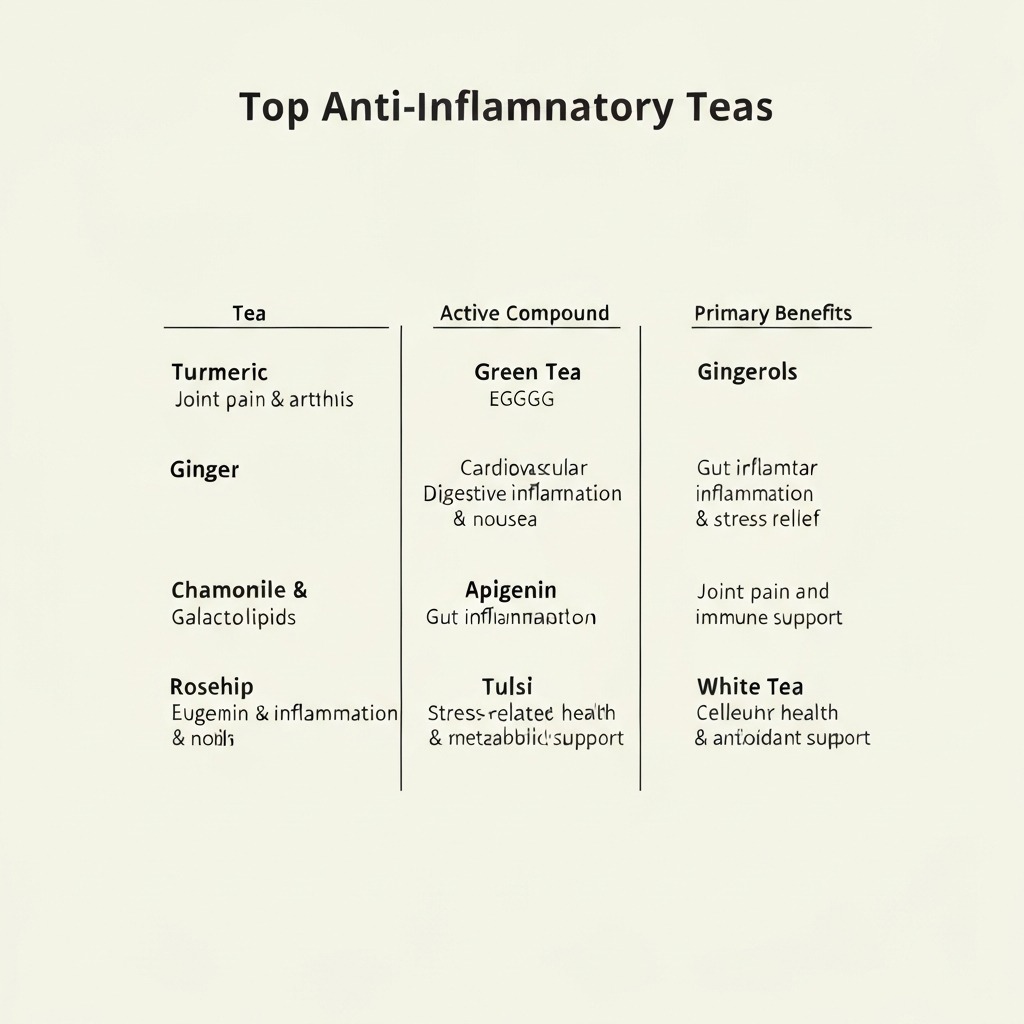 Proper brewing technique can make or break anti-inflammatory tea benefits — temperature and steep time determine how many polyphenols survive into your cup.
Brewing Guide for Maximum Anti-Inflammatory Benefits
Brewing technique directly affects how many anti-inflammatory compounds make it into your cup. Get these wrong and you lose 30–60% of the active compounds.
Green Tea (EGCG Preservation)
- Water temperature: 160–180°F (71–82°C) — never boiling
- Steep time: 3–4 minutes
- Why it matters: Boiling water destroys heat-sensitive catechins. Cooler temperatures extract EGCG while preserving its molecular structure. A 2019 study in Food Chemistry showed brewing at 80°C retained 40% more catechins than 100°C.
- Pro tip: Use an electric kettle with temperature presets. If you don't have one, boil water and let it cool for 3–4 minutes before pouring.
Turmeric Tea (Curcumin Extraction)
- Water temperature: 190–200°F (88–93°C)
- Steep time: 5–10 minutes (longer is better)
- Non-negotiable addition: 1 pinch black pepper per cup (piperine increases absorption 20x)
- Why it matters: Curcumin is heat-stable and benefits from prolonged extraction. Simmering gently rather than steeping creates a stronger infusion.
- Pro tip: Add a small amount of coconut oil or milk fat — curcumin is fat-soluble, and even a teaspoon of fat improves absorption significantly.
Ginger Tea (Gingerol Activation)
- Water temperature: 200°F+ (93°C+) — can tolerate boiling
- Steep time: 5 minutes minimum with fresh ginger
- Dosage guide: 1–2 inch slice of fresh ginger per 8 oz water
- Why it matters: Fresh ginger needs heat and time to release gingerols from its fibrous structure. Thin slices expose more surface area.
- Pro tip: Fresh ginger > powdered. Store unpeeled ginger in the freezer — it grates more easily frozen and retains potency for months.
Hibiscus Tea (Anthocyanin Retention)
- Water temperature: 195–210°F (90–99°C)
- Steep time: 5–10 minutes
- Color indicator: Bright, deep magenta = high anthocyanin concentration. Pale pink = understeeped.
- Cold brew option: Steep overnight in the refrigerator for a refreshing version with preserved anthocyanins.
Chamomile Tea (Apigenin Release)
- Water temperature: 200–212°F (93–100°C)
- Steep time: 5–7 minutes (longer than most people steep)
- Why longer: Apigenin requires longer extraction than catechins. Most people understeep chamomile, missing much of the anti-inflammatory benefit.
- Cover while steeping: Chamomile's volatile oils (including bisabolol) escape as steam. Cover the cup to retain them.
How to Build a Daily Anti-Inflammatory Tea Routine
Morning Protocol (Antioxidant Activation)
- 7:00 AM — Green tea (Harney & Sons Sencha or matcha): EGCG activates antioxidant defenses; gentle caffeine replaces coffee without cortisol spike
- 8:00 AM — Light breakfast: Nutrient pairing improves polyphenol absorption; eat within 1 hour of morning tea
- Hydrate between teas — most benefits require consistent daily intake over weeks
Midday Protocol (Inflammation Suppression)
- 12:00–1:00 PM — Turmeric tea (Pukka Turmeric Gold) with lunch: Curcumin works synergistically with dietary fats from your meal
- Add a pinch of black pepper even to pre-formulated tea bags for maximum absorption
- This is the most impactful single change for joint pain and systemic inflammation
Post-Workout Protocol (Acute Recovery)
- Within 30 min of exercise — Ginger tea (Traditional Medicinals): Gingerols suppress the inflammatory cytokine spike from exercise
- Optional: Add 1 tsp honey + squeeze of lemon — honey has its own anti-inflammatory compounds
- Consume while the inflammation-suppression window is open (first 60 minutes post-exercise)
Evening Protocol (Recovery & Sleep)
- 7:00–8:00 PM — Chamomile or Hibiscus: Calming + gentle anti-inflammatory
- No green tea after 3 PM: Caffeine disrupts sleep; sleep disruption itself increases inflammation — creating a counterproductive cycle
- Prioritize anti-inflammatory sleep habits alongside evening tea for compounding benefits
8-Week Chronic Inflammation Program
- Weeks 1–2: Turmeric Gold daily (1 cup with lunch) — establish habit, test tolerance
- Weeks 3–4: Add Ginger tea (1 cup afternoon) — synergistic effect with turmeric
- Weeks 5–8: Add morning green tea — comprehensive antioxidant + anti-inflammatory coverage
- Measurement: Track inflammation markers via bloodwork (CRP, ESR, hs-CRP) at baseline and week 8
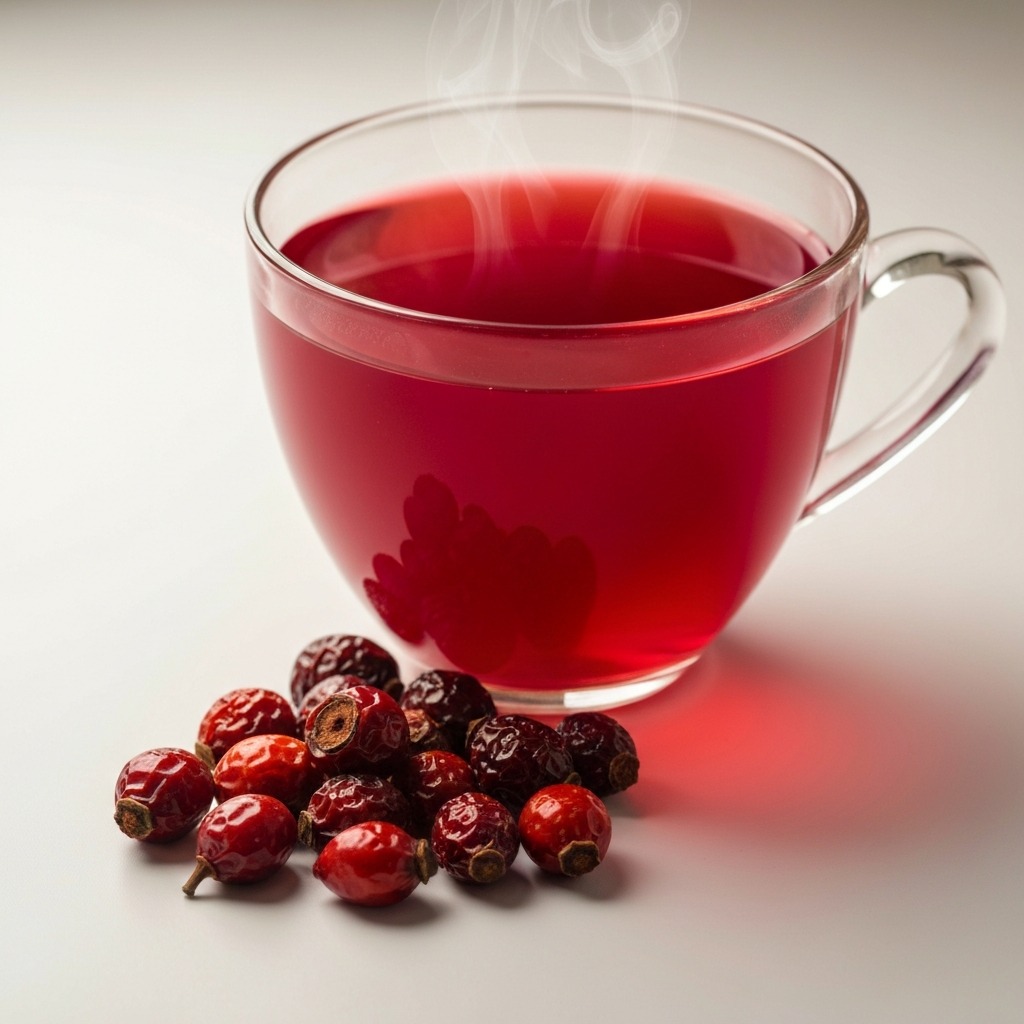 Rosehip tea provides vitamin C and galactolipids — a complementary anti-inflammatory option that pairs well with hibiscus.
Safety, Interactions & Who Should Be Cautious
Generally Safe for Most Adults
Anti-inflammatory teas are well-tolerated at 2–3 cups daily. They have centuries of use across cultures. However, therapeutic-dose consumption does warrant awareness of certain interactions.
Turmeric (Curcumin) Cautions
- Blood thinner interaction: Curcumin has mild anticoagulant properties — avoid therapeutic doses alongside warfarin, heparin, or aspirin without physician approval
- Gallbladder sensitivity: High curcumin doses stimulate bile production; caution if you have gallstones or gallbladder issues
- Pregnancy: Standard culinary amounts are safe; therapeutic doses lack sufficient safety data — consult your OB-GYN
- Safe tea range: 0.5–1g curcumin daily from tea (standard amounts); toxicity at dietary doses is extremely rare
Green Tea Cautions
- Caffeine sensitivity: 25–50 mg per cup may disrupt sleep if consumed after 3 PM
- Iron absorption: Tannins in green tea inhibit non-heme iron uptake — drink 2+ hours apart from iron supplements or iron-rich plant meals
- Liver note: Extremely high consumption (10+ cups daily or concentrated extracts) has been associated with rare liver stress; 2–3 cups daily is safe and well-studied
- Medication interaction: EGCG can affect the metabolism of certain drugs (CYP3A4 pathway) — inform your pharmacist
Ginger Cautions
- GERD trigger: Some individuals find ginger worsens acid reflux — test with small amounts first
- Bleeding risk: Minimal at dietary/tea amounts; inform your doctor if combining with anticoagulant therapy
- Pregnancy: Ginger tea in moderate amounts (1–2 cups daily) is generally considered safe and is commonly used for morning sickness — but consult your provider
Drug Interactions Requiring Physician Consultation
- Diabetes medications: Turmeric and ginger may enhance glucose-lowering effects
- Blood thinners: Ginger, turmeric, and high-dose green tea have mild anticoagulant properties
- Anti-inflammatory drugs (NSAIDs): Potential synergy or redundancy — your doctor can advise on whether tea consumption should be adjusted alongside pharmaceutical anti-inflammatories
- Immunosuppressants: Green tea's immune-modulating effects may interact with immunosuppressive therapy
Frequently Asked Questions
What is the best anti-inflammatory tea to drink daily?
Green tea (matcha or sencha) is the best daily anti-inflammatory tea. It provides 150–200 mg of EGCG per cup, which inhibits NF-κB inflammatory pathways and reduces CRP by 16–20% within 4–8 weeks. It's gentle enough for twice-daily consumption with mild caffeine (25–50 mg). For caffeine-free daily use, Pukka Turmeric Gold is the top choice.
How long does it take for anti-inflammatory teas to work?
Systemic inflammation reduction requires 4–8 weeks of consistent daily consumption. Acute joint pain and digestive inflammation may improve within 1–2 weeks. Antioxidant benefits such as improved energy and skin clarity typically appear within 2–3 weeks. The key is daily consistency — sporadic consumption provides minimal lasting benefit.
Can I combine multiple anti-inflammatory teas?
Yes, and combining teas is actually the optimal strategy. Green tea (EGCG), turmeric tea (curcumin), and ginger tea (gingerols) each work through different inflammatory pathways, creating a synergistic effect greater than any single tea alone. Aim for 2–3 cups daily across different tea types. The maximum benefit comes from rotating throughout the day rather than drinking the same tea three times.
Is turmeric tea or green tea better for inflammation?
They excel in different areas. Turmeric tea has stronger acute anti-inflammatory effects — curcumin reduces inflammation markers by 25–40% and directly inhibits NF-κB. Green tea provides broader daily antioxidant protection — EGCG reduces CRP by 16–20% while also supporting brain health and cardiovascular function. For best results, drink both: green tea in the morning and turmeric tea after meals.
Does brewing temperature affect the anti-inflammatory benefits?
Significantly. Green tea brewed at boiling temperature (212°F) loses up to 40% of its catechins compared to proper brewing at 170°F. Turmeric tea, conversely, benefits from higher temperatures and longer steeping. Ginger tea tolerates boiling well. Following the correct brewing parameters for each tea type is essential — see our brewing guide above.
Is bottled or ready-to-drink tea as effective as freshly brewed?
No. Bottled teas retain only 30–50% of the polyphenol content of freshly brewed tea due to heat processing, oxidation, and shelf life degradation. Many commercial bottled teas also contain added sugars that promote inflammation — the opposite of what you want. Always brew fresh for maximum anti-inflammatory benefit.
Should I add anything to my anti-inflammatory teas?
For turmeric tea: always add black pepper (piperine) and optionally a fat source (coconut oil, milk). For green tea: nothing required, but a squeeze of lemon may preserve catechins in acidic conditions. Avoid adding large amounts of sugar or honey — excess sugar promotes inflammation. If sweetening is needed, use a small amount of raw honey (which has its own anti-inflammatory compounds) or stevia.
Can I take anti-inflammatory teas alongside supplements?
Yes, but be mindful of dose stacking. If you're already taking a curcumin supplement, adding 3 cups of turmeric tea may push you toward unnecessary high doses. Similarly, combining green tea extract supplements with multiple cups of green tea increases caffeine and EGCG intake. For a comprehensive supplement approach, see our best anti-inflammatory supplements guide and coordinate with your healthcare provider.
Sources & Methodology
This article is based on a review of peer-reviewed clinical research, systematic reviews, and current institutional guidelines.
Key Studies Referenced
- Huang, J., et al. (2020). "Effect of green tea catechins on C-reactive protein: A systematic review and meta-analysis." European Journal of Clinical Nutrition, 74, 694–702.
- White, C.M. & Judkins, D.Z. (2021). "Clinical inquiry: Does turmeric/curcumin supplementation reduce inflammation?" Phytotherapy Research, 35(5), 2443–2458.
- Morvaridzadeh, M., et al. (2022). "Effect of ginger supplementation on inflammatory markers: A systematic review and meta-analysis of randomized controlled trials." Nutrients, 14(1), 143.
- Belcaro, G., et al. (2014). "Efficacy and safety of Meriva curcumin in osteoarthritis patients." Clinical Interventions in Aging, 9, 587–594.
- Naqvi, A.A., et al. (2021). "Effect of Hibiscus sabdariffa on blood pressure and inflammatory markers: A meta-analysis." Journal of Hypertension, 39(Suppl 1), e198.
- Srivastava, J.K., et al. (2010). "Chamomile: A herbal medicine of the past with bright future." Molecular Medicine Reports, 3(6), 895–901.
- Liu, Z., et al. (2023). "Tea polyphenols and gut barrier function: A systematic review." Nutrients, 15(4), 1023.
Institutional Resources
- National Institutes of Health, Office of Dietary Supplements — ods.od.nih.gov
- Harvard T.H. Chan School of Public Health, Nutrition Source
- Arthritis Foundation, Natural Remedies Guide
- European Food Safety Authority (EFSA) — Herbal Preparations Panel
Evaluation Methodology
We evaluated anti-inflammatory teas using weighted criteria: Clinical Evidence (35%) — number and quality of RCTs and meta-analyses; Active Compound Potency (25%) — measured concentration of anti-inflammatory compounds per serving; Bioavailability (15%) — how effectively the body absorbs active compounds; Flavor & Compliance (15%) — because a tea you don't enjoy drinking daily provides zero benefit; Value (10%) — cost per effective serving.
About the Author
Dr. Sophie T., PhD is a nutritional biochemist specializing in dietary phytochemicals and inflammatory signaling pathways. Her research focuses on how polyphenols from tea, spices, and plant foods modulate NF-κB and COX-2 inflammatory pathways at the molecular level. Dr. Sophie serves as a scientific advisor to the Anti-Inflammatory Basics editorial board and has published peer-reviewed research on curcumin bioavailability and green tea catechin metabolism.
Have questions about anti-inflammatory teas? Visit our contact page for personalized guidance. For clinical-grade inflammation support, always consult with a registered dietitian or your healthcare provider.
Related Reading: